
Nuclear Energy's Strategic Endorsement: A Leap Towards EU's Net-Zero Goal
Empowering Europe's Green Transition: Nuclear Energy's Strategic Role Unveiled
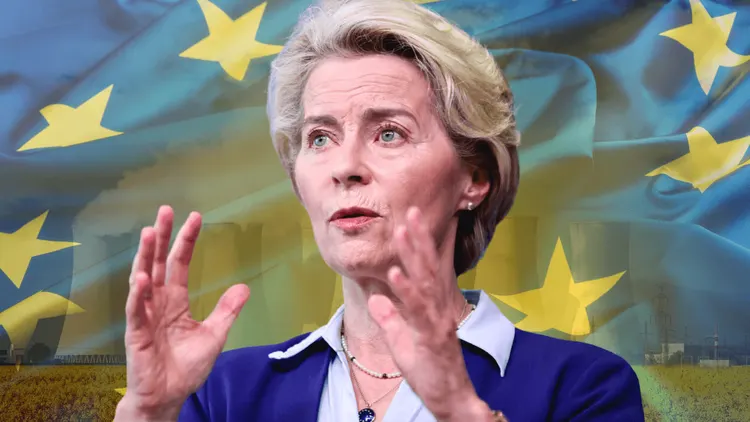
In a landmark decision, the Council of EU member states and the European Parliament have officially designated nuclear power as a strategic technology for the European Union's decarbonization efforts. This resolution, reached on Tuesday (6 February), marks a significant milestone in the EU's ambitious journey towards achieving net-zero emissions. The decision is part of the broader Net-Zero Industry Act (NZIA), unveiled by the European Commission in March 2023, which seeks to expedite the deployment of technologies pivotal for the EU's green transition.
The Net-Zero Industry Act (NZIA)
The NZIA was conceived as a response to the massive green subsidy programs launched by the United States and China's efforts to dominate the clean technology sector, including batteries, heat pumps, and solar panels. Its primary aim is to accelerate the permitting procedures for sites involved in manufacturing key components for renewable and nuclear energy technologies, thereby bolstering the EU's position in the global clean tech race.
Nuclear Power's Strategic Role
Nuclear energy's inclusion in the NZIA underscores the EU's acknowledgment of its vital role in achieving the Green Deal objectives. The agreement covers both existing nuclear technologies and future innovations, such as small modular reactors (SMRs) and advanced nuclear reactors (AMRs), including their fuel cycles. This broad inclusion highlights the EU's comprehensive approach to leveraging nuclear power for a sustainable energy future.
Simplified Permitting Procedures
One of the NZIA's key provisions is the simplification of permitting procedures for factories producing nuclear components. This move is set to significantly reduce the timelines for both large and small projects, thereby enhancing the efficiency of nuclear energy development within the EU. It represents a concrete step towards facilitating the expansion of nuclear power as a cornerstone of the EU's decarbonization strategy.
Nuclear Infrastructure Development
The development of necessary infrastructure for nuclear energy will also be streamlined under the NZIA. Criteria for prioritizing nuclear projects in public procurements have been established, granting each EU country the authority to define strategic projects on its territory. This autonomy ensures a tailored approach to nuclear energy development, reflecting the diverse energy needs and policies across the bloc.
Equality of Energy Sources
The agreement brings nuclear energy on par with renewable sources in the context of the EU's reindustrialization process. This parity addresses long-standing debates about the role of nuclear power in Europe's energy mix, highlighting its equal importance alongside renewables in achieving sustainability goals.
Nuclear Technology Inclusion
Initially, nuclear technologies were relegated to a secondary list, denying them the strategic status afforded to other green technologies. However, intense negotiations and advocacy led to their inclusion in the primary list of net-zero technologies under the NZIA. This inclusion spans a wide array of nuclear technologies, from existing reactors to future generations and the entire fuel cycle, reflecting a broad commitment to nuclear energy's potential.
Political and Public Reaction
The decision to include nuclear power in the NZIA has elicited mixed reactions. While advocates celebrate the recognition of nuclear energy's strategic role, environmental groups have expressed concerns, labeling the agreement a compromise favoring high-risk technologies. The debate underscores the complexities of balancing technological advancements with environmental and safety considerations in the pursuit of decarbonization.
Advantages of Nuclear Power
Nuclear power offers several advantages in the context of the EU's decarbonization efforts. It provides a reliable and low-carbon source of energy that can significantly contribute to reducing greenhouse gas emissions. Furthermore, nuclear energy enhances the EU's energy security and independence, reducing reliance on fossil fuel imports.
Challenges and Criticisms
Despite its benefits, nuclear power faces challenges, including safety concerns, high costs, and environmental impacts related to waste management. These issues necessitate ongoing research, innovation, and stringent regulatory oversight to ensure that nuclear energy can be a safe and effective component of the EU's energy strategy.
Future of Nuclear Energy in the EU
The future of nuclear energy in the EU looks promising, with a focus on developing third and fourth generation reactors, SMRs, and AMRs. These technologies promise greater efficiency, safety, and flexibility, potentially revolutionizing the nuclear sector and playing a crucial role in the EU's energy transition.
Global Perspective
Globally, the EU's stance on nuclear power positions it as a leader in embracing nuclear energy for decarbonization. This approach contrasts with varying policies in other regions, highlighting the EU's unique commitment to a balanced and innovative energy strategy.
Conclusion
The EU's decision to label nuclear power as a strategic technology for decarbonization represents a pivotal moment in the bloc's energy and environmental policy. By embracing nuclear energy alongside renewables, the EU sets a comprehensive path towards achieving its net-zero ambitions, ensuring a sustainable and secure energy future for its citizens.