
Shaping a Nuclear Future: Japan’s Critical Minerals Revolution
Japan's Uranium Strategy: Paving the Way for Energy Autonomy and Global Leadership
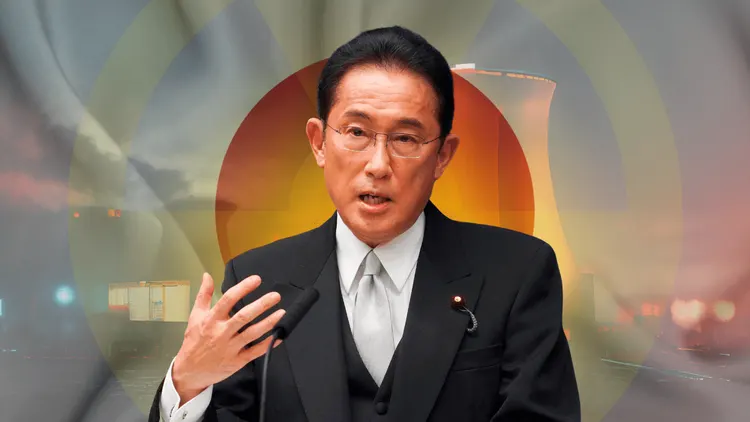
Japan, a nation at the forefront of technological innovation and economic prowess, has recently made a significant move in its energy sector. The Ministry of Economy, Trade and Industry (METI) has officially added uranium to its list of critical minerals. But why now, and what does this mean for Japan and the global landscape of energy resources? Let's delve into the nuances of this strategic decision and understand its implications.
The Significance of Uranium as a Critical Mineral
Uranium, a pivotal element in nuclear energy production, has long been a cornerstone for countries striving for energy independence and sustainability. Japan's decision underscores a broader strategy, one that aims to reshape its energy dependencies and bolster national security.
Historically, Japan's lush landscapes were shadowed by the towering structures of nuclear reactors, accounting for about 30% of its electricity generation pre-Fukushima. The vision was clear and ambitious: elevate this figure to at least 40% by 2017.
However, the road to energy autonomy is fraught with challenges. Japan, though rich in technological advancements, lacks the natural resources, especially uranium, making it heavily reliant on imports.
As the world’s third-largest consumer of uranium, Japan has had no choice but to import this crucial resource from nations like Australia, Canada, and Kazakhstan. This dependence is not just a matter of energy but also of national security and economic stability.
The 2011 Fukushima disaster was a turning point, casting long shadows over Japan's nuclear energy dreams and raising serious concerns about safety and environmental sustainability. But the necessity for a reliable, clean energy source has prompted Japan to rethink and restructure its approach.
Uranium's Central Role in Japan's Energy Strategy
Despite the challenges, Japan is cautiously reigniting its nuclear power plants, with 11 reactors restarted since 2015 and 16 more awaiting approval. The goal is clear: to have uranium fuel at least 20% of the nation’s energy needs by 2030.
The journey is gradual but determined. Each reactor restart sparks a blend of hope and scrutiny, reflecting the nation's commitment to a balanced, secure energy mix.
Public opinion is mixed, with the echoes of Fukushima still resonating in the collective memory. Safety, understandably, is the paramount concern, shaping policies, and influencing the pace of nuclear energy's return.
The path is not just technical but also legal. Each reactor's revival comes with a labyrinth of regulations, safety checks, and legal proceedings, ensuring the past does not repeat itself.
The blueprint for 2030 and beyond is ambitious. With substantial reserves estimated at 6,600 tonnes, enough to meet internal demand for about six years, Japan is not just looking at the immediate but also the distant horizon.
The plan is not merely about energy security but also about global leadership in clean, sustainable energy, aligning with the nation's pledge for net-zero greenhouse gas emissions by 2050.
Implications and Challenges
Incorporating uranium into the critical minerals list is more than a policy update; it's a strategic maneuver, influencing sectors, economies, and international relations.
The move is set to invigorate Japan's domestic mining industry, encouraging exploration and development, and potentially sparking technological innovations in extraction and processing.
The geopolitical chessboard may also see a shift. Japan's reinforced focus on uranium could redefine trade dynamics, fostering new alliances, and rekindling old partnerships.
Japan's quest for energy security is not solitary. It seeks to strengthen cooperation, especially with nations that share its vision for a stable, sustainable energy future.
Yet, the road is intricate, woven with challenges of diplomatic negotiation and the need to navigate complex geopolitical landscapes, particularly in its quest to reduce dependence on sources like Russia.
The Road Ahead
The inclusion of uranium in the critical minerals list is expected to fuel research and development, driving innovations that could redefine nuclear energy's role in a sustainable future.
Yet, embracing this path requires more than technological prowess. It demands a careful, sensitive approach to public concerns, transparent communication, and robust legal frameworks to ensure safety and environmental stewardship.
Conclusion
Japan's addition of uranium to its list of critical minerals is a bold, strategic move, reflecting its commitment to energy independence, sustainability, and global leadership. As the nation navigates this path, it stands at the cusp of a new era in energy, one that holds promise but also demands vigilance, innovation, and cooperation.