
Shell earnings doubled in third quarter
Energy giant raises dividend and buys back $4 billion more shares as oil division contributes to record earnings
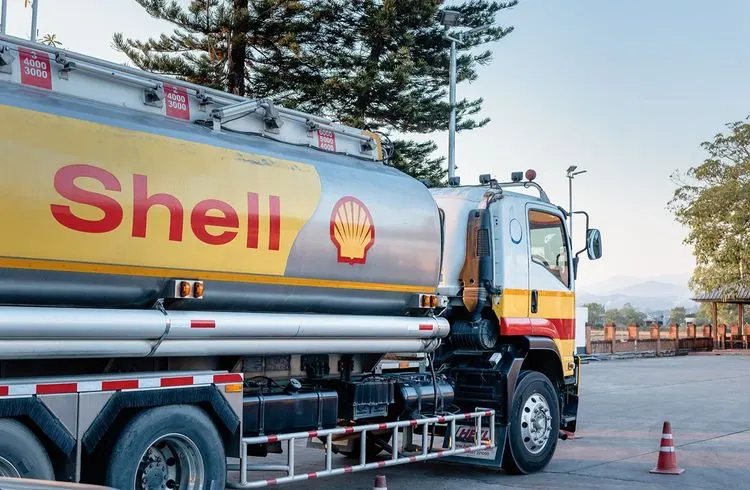
Shell CEO Ben van Beurden signaled the oil and gas company was prepared to pay higher taxes as the announcement of $9.5 billion in third-quarter profit prompted renewed calls for additional taxes on energy companies.
In the history of the company, the profit is only exceeded by the 11.5 billion dollars of the previous quarter. This puts Europe's largest energy company on track to break its 2008 record annual profit of $31 billion. Shell has already reported a profit of more than $30 billion in the first nine months of the year.
Still, the company paid no tax at all in the UK after investments and closures in the North Sea topped all of Shell's profits from its UK upstream and retail operations in the third quarter.
Van Beurden said it is a "social reality" that governments expect companies like Shell, which have benefited from soaring oil and gas prices, to help offset energy bills for struggling consumers.
"We should be prepared and accept that our industry will also have to pay when it comes to raising taxes to fund transfers to those who need it most in these very difficult times," he added added. "We have to accept that."
The UK government introduced an additional 25% energy profits levy for North Sea oil and gas producers in May to raise funds, but Shell does not expect to start paying taxes under the energy profits levy until early next year.
Ed Miliband, the shadow undersecretary for climate change and zero net growth, said Shell's $9.5 billion global profits were "further evidence that we need to get the energy companies to pay their fair share."
Shell's earnings beat the average analyst estimate of $9 billion and were more than double the $4.1 billion it made a year ago.
The UK-listed group said it would increase its fourth-quarter dividend by 15 percent, with payout scheduled for March 2023, subject to board approval. Shell will also repurchase an additional $4 billion in the fourth quarter, bringing total stock purchases for the year to $18.5 billion.
The company's shares rose 5 percent.
Oil prices have fallen to around $90 a barrel from more than $120 a barrel in June as recession fears in Europe weigh on economic activity, while gas prices have eased from record levels earlier in the year.
But despite lower average crude prices, Shell benefited from a strong operational performance from its deepwater oil assets, particularly in the US Gulf of Mexico, which led to a recovery from significant "high-value barrels," the company said.
"The best production in a decade," CFO Sinead Gorman said after the results were released. "Things are going great in the Gulf of Mexico."
This helped lift the division's profit to $5.9 billion from $4.9 billion in the three months ended June.
In contrast, profit at Shell's integrated gas business, which includes liquefied natural gas trading, fell about 40 percent from June to $2.3 billion due to lower production volumes and lower seasonal demand.
"Although the integrated gas business performed particularly poorly this quarter, Shell's upstream business performed particularly well," said Biraj Borkhataria of RBC Capital Markets.
Shell's 15 percent dividend increase for the fourth quarter is "well above" RBC's forecast and is likely to be "well received" by investors, he added.
Gorman said Shell's third-quarter integrated gas results were often weaker than other quarters, adding that earnings were further reduced by a decision to divest its stake in the Sakhalin-2 LNG project in eastern Russia.
However, trading results for power and pipeline gas, which Shell reports under its renewable energy and energy solutions division, were "very strong," boosting profit in that division to $700 million from $400 million last quarter.