
OPEC+ cuts oil production - prices rise
Consumers must expect rising fuel prices - oil states rely on higher revenues
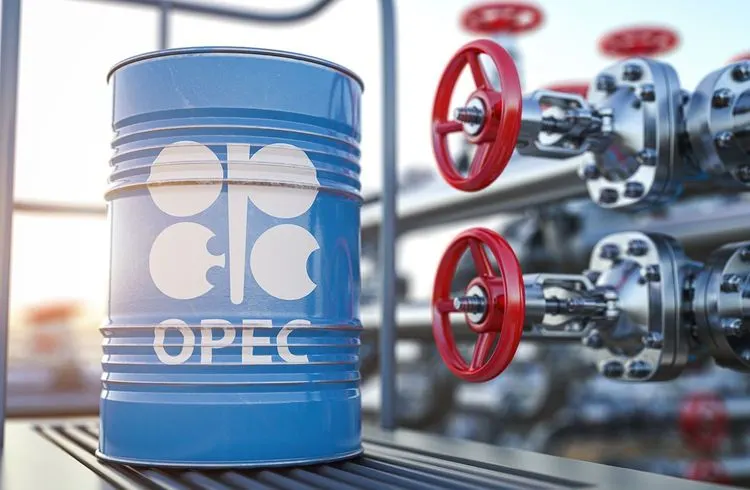
The production cuts by the OPEC+ countries are causing a drastic increase in the price of oil on the international market. Prices rise sharply as supply is tightened. Eight OPEC+ producer countries have announced that they will cut their oil production starting in May and keep it at the lower level until the end of the year. The output cuts are being driven in particular by Saudi Arabia, which is cutting 500,000 barrels per day, and Iraq, which is cutting 211,000 barrels per day. Russia, as a member of OPEC+, is also pulling along with the production cut. OPEC+ countries' output will be cut by a total of 1.66 million barrels per day starting in July.
Producers are concerned about prices as oil has become much cheaper for industrialized countries compared to last summer. The decision to reduce production is intended to keep prices at a certain level. However, economic trends are a concern, as the fallout from the war in Ukraine, sharp interest rate hikes by major central banks and fears of a new banking crisis are fueling recession fears. An economic slowdown would dampen demand for crude oil, causing oil prices to fall.
The announcement by the OPEC+ countries has caused oil prices on the world market to soar. Yesterday's price jump of up to around eight percent was the strongest in about a year. Market observers are surprised and see the decision of the OPEC+ countries as a risk for the oil states. The higher the prices for gasoline and heating oil rise, the more attractive alternatives such as e-cars and heat pumps become. The production policy of OPEC+ aims at higher prices on the world market and thus higher costs for consumers in the Western industrialized countries.
The curbing of production and an associated rise in oil prices are making it more difficult for central banks to fight inflation. For months, major central banks such as the ECB and the U.S. Federal Reserve have been raising interest rates in an attempt to get a grip on high inflation. U.S. Federal Reserve Chairman James Bullard had conceded that curbing output was not making the Fed's job any easier. However, it remains to be seen whether the OPEC+ decision will have a lasting impact on consumer prices. In future interest rate decisions by the monetary authorities, the cost of energy is likely to fade increasingly into the background, as prices for services and food now play a greater role in the development of general inflation.