
NGO asks Asian Development Bank to withdraw from fossil fuels
The ADB has so far refused to change its policy on fossil fuels.
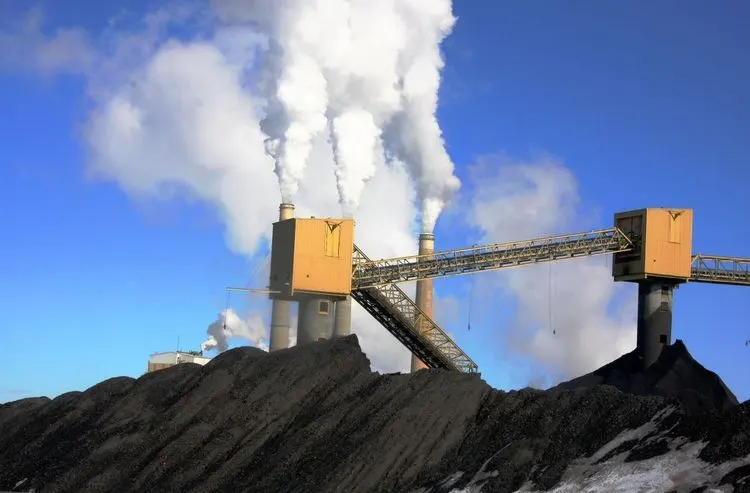
A group of nongovernmental organizations called on the Asian Development Bank (ADB) on Monday to end lending to the fossil fuel sector as the international lender holds its annual meeting this week with a focus on a green economy. The ADB, which funds initiatives aimed at improving the economic outlook for Asia's poorest, is also reviewing its lending policy, which its own management has said is not fit for a climate-changed world. Governments have stepped up their climate action this year as US President Joe Biden seeks to reverse the Trump administration's actions. The ADB's largest shareholders, Japan and the United States, recently increased their emissions reduction targets. "It's time to provide our communities with clean, renewable energy," said Chuck Baclagon, regional campaign director at 350.org, a US group focused on the global energy transition, in a joint statement. More than 20 non-governmental organizations signed the statement, which was sent to the media on Monday for publication. "We need financial institutions like the Asian Development Bank that will immediately stop lending money for coal, gas and oil projects," said Baclagon. The ADB is practically holding its annual meeting this week on the subject of "Collaboration for Resilient and Green Recovery". The groups said the ADB has lent $ 4.7 billion for gas projects in Asia since December 2015, when about 200 nations signed the Paris Agreement. The ADB is reviewing its energy policy, which was last updated in 2009, said Yongping Zhai, head of the ADB group's energy sector, in an email response to Reuters' questions about the NGO's recent appeal. A draft of the new policy will be put up for public discussion by June, said Zhai. The ADB invested about $ 25 billion in the energy sector over the 2015-2020 period, "45% of which was in renewable energy and energy efficiency, and a further 35% in upgrading grids to incorporate more renewable energies," he said. The bank supports natural gas projects that provide communities with access to cleaner cooking and heating fuels, Zhai said, adding that "management agreed with (an) independent assessment that its energy policies are no longer adequately aligned with the global consensus on climate change."