
Demand for Natural Gas to continue growing
Over the next decade prices for natural gas are not going to slow down.
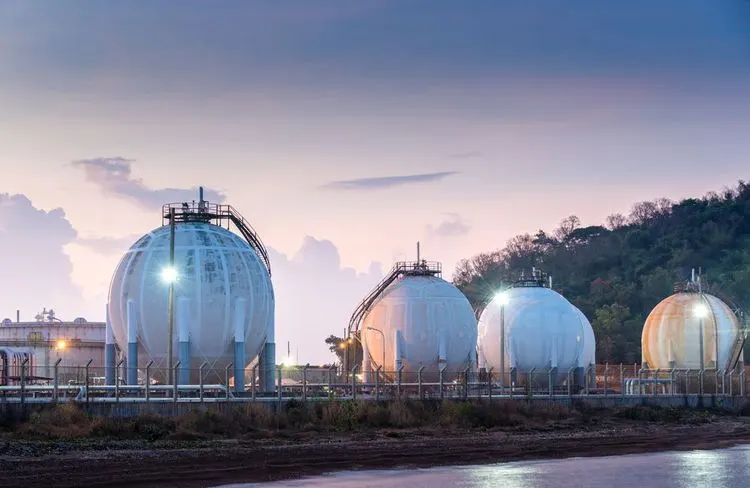
The narrative "bridge fuel" for natural gas is replaced. However, the demand for natural gas is not that easy to replace. Natural gas - hailed just a few years ago as the fuel that will bridge the fossil fuel and renewable energy era - is now the target of growing opposition and pressure from environmental groups and governments. Recently, natural gas was refused transitional status by the European Union. That may sound like the beginning of the joke, but in reality it is very serious in Brussels: In a draft for a new regulation, the European authorities have set an emission limit of 100 grams of CO2 equivalent per kilowatt hour for gas-fired power plants. This level is unattainable for these investments, which means they could lose billions in funding if investors flock to projects with the coveted "transition" label. And yet, regardless of which labels the EU assigns to the various forms of energy generation, gas is likely to continue to play a key role in the energy transition. The global demand for natural gas has been growing steadily for decades. This year it will decrease somewhat, according to the International Energy Agency, but this will be more a consequence of the pandemic and its impact on general energy demand than the start of a trend. Long-term projections for gas demand tend to be positive because of the need to replace the top polluter of fossil fuels, coal. This "something" cannot only consist of sun and wind. "I've built models of how we can decarbonize the world twice," said Rob West, founder and principal research analyst at energy technology consultancy Thunder Said Energy, speaking at the Petroleum Economist's LNG-to-Power Emea forum earlier this month. "And the cheapest way I can get net zero energy \[carbon\] by 2050 is by tripling the demand for natural gas. We will have 400tn ft³ \[11.32tcm\] of gas in this energy system".