
Nancy Pelosi’s Stock Activity: Nvidia Buys, Tesla Sells Before July Fourth
Nancy Pelosi's recent stock trades spark debate and scrutiny, highlighting the need for stricter regulations on Congressional trading activities.
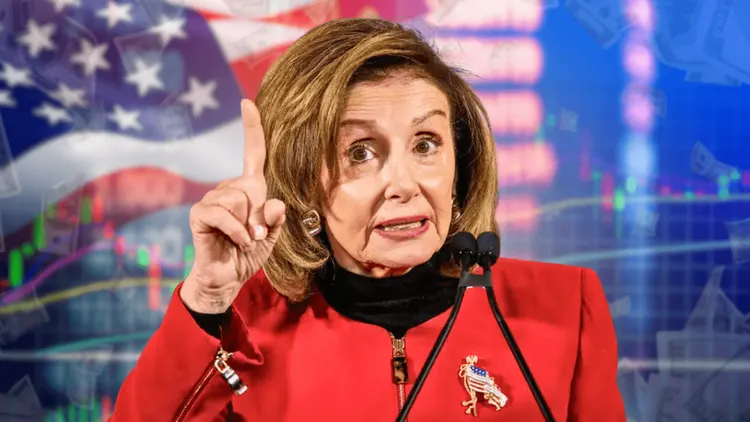
Nancy Pelosi has once again made headlines with her recent stock trading activity, disclosing significant transactions right before the Fourth of July holiday. This pattern of reporting trades around holidays has drawn increased scrutiny and fueled calls for stricter regulations on stock trading by Congress members.
Nancy Pelosi, one of the most tracked members of Congress for stock trading, has a history of making sizable trades through her husband, Paul Pelosi, a venture capitalist. Despite her claims of not sharing stock tips or insider information, the timing and size of these trades often raise questions.
Details of Recent Trades
Broadcom Call Options On June 24, 2024, Pelosi bought 20 call options for Broadcom Inc. (AVGO) with a strike price of $800. The purchase size was between $1 to $5 million.
Nvidia Shares Pelosi acquired 10,000 shares of Nvidia Corporation (NVDA) on June 26, with the purchase size also ranging from $1 to $5 million.
Tesla Shares Pelosi sold 2,500 shares of Tesla Inc. (TSLA), with the sale size between $250,000 to $500,000.
Visa Shares Additionally, Pelosi sold 2,000 shares of Visa Inc. (V), with the sale size between $500,000 to $1 million. It is noteworthy that this sale was partial, indicating that the couple still holds shares in Visa.
Timing of Trades
Pelosi's pattern of disclosing trades around market holidays is well-documented. The latest disclosure came just before the Fourth of July, continuing a trend of filing stock disclosures on Fridays or near holidays, such as Christmas. This timing often results in less media coverage, although it has become more predictable, drawing comments from platforms like Congresstrading.
The timing and nature of these trades have significant implications for public perception and trust in elected officials. Critics argue that such activities raise questions about potential conflicts of interest and the use of privileged information, leading to increased calls for banning stock trades by Congress members.
Insights on Pelosi’s Trading Strategy
Analyzing Pelosi’s trading patterns reveals a strategic approach to timing and asset selection. The purchase of Broadcom call options and Nvidia shares suggests confidence in the long-term prospects of these tech giants. Meanwhile, the sale of Tesla shares might indicate a strategic rebalancing of their portfolio.
Public and media reactions to Pelosi’s trades have been mixed. While some applaud her investment acumen, others criticize the perceived lack of transparency and potential conflicts of interest. Social media platforms and news outlets have been buzzing with discussions and analyses of her latest moves.
Current laws permit Congress members to trade stocks, provided they disclose their trades. However, the increasing scrutiny of these activities has led to proposed changes, including a complete ban on stock trading by Congress members. Such changes could have far-reaching implications for how elected officials manage their investments.
Performance of Congressional Trades
Interestingly, the trading activities of Congress members have often outperformed leading market indexes. This has led to the creation of ETFs like the Series Portfolios Trust Unusual Whales Subversive Republican Trading ETF (KRUZ) and the Democratic Trading ETF (NANC), which track the trading activity of Republican and Democratic members of Congress, respectively.
The ethical debate surrounding Congress members' stock trading hinges on concerns about conflicts of interest and the use of insider information. While Pelosi has denied any wrongdoing, the timing of her trades continues to fuel ethical questions.
The ongoing scrutiny of Pelosi’s trading activities could impact future regulations. If stricter laws are enacted, they could change how Congress members engage in stock trading, potentially increasing transparency and reducing conflicts of interest.
Conclusion
Nancy Pelosi’s recent stock trades continue to attract attention and spark debate. While her investment strategies appear sound, the timing of her disclosures raises important questions about transparency and potential conflicts of interest. As calls for stricter regulations grow louder, the future of stock trading by Congress members remains uncertain.