Large Fashion Companies will not meet their sustainability goals
Most companies are far behind their climate goals.
 Angela Göpfert-MeierOctober 3, 2026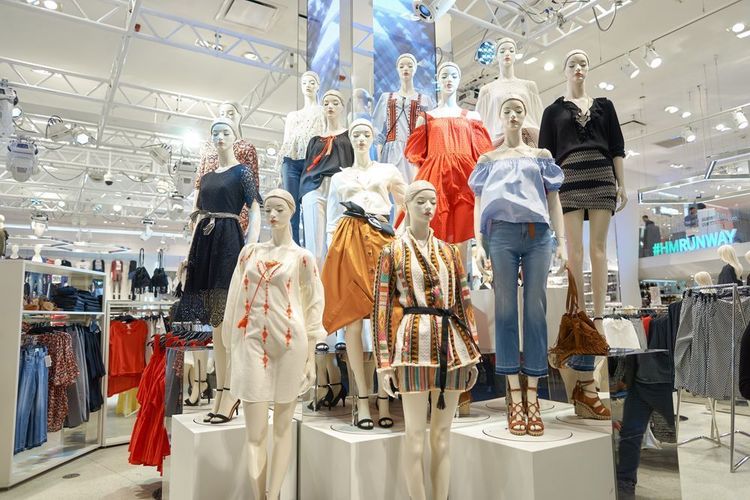
The 15 largest publicly traded fashion companies are lagging behind when it comes to meeting the social and environmental goals of the Paris Agreement and the UN Sustainable Development Goals, according to a new report from The Business of Fashion on Monday. The Business of Fashion, an online publication on the fashion industry, analyzed in its report published information of the five largest companies by sales in three categories - luxury, sportswear and high street fashion, including Kering (PA: PRTP), Adidas (OTC : ADDYY), H&M and others. The fashion industry is under increasing pressure from consumers and governments to improve their behavior. Statistics cited by the World Economic Forum show that the industry is responsible for at least 4% of global greenhouse gas emissions. The Business of Fashion report rated the companies 100 for their progress towards 16 goals that correlate their performance with the UN Sustainable Development Goals and the Paris Agreement on emissions, waste, workers rights, water and Would reconcile materials. The study also rated companies based on their transparency, i.e. how much information about a company's practices is currently available. Kering was in first place with 49 points, Under Armor (NYSE: UA) in last place with 9 points. The average score for the companies was 36 points. The report found that companies are more likely to disclose information about goals than specific actions taken to meet them. Opaque work practices and fuzzy definitions of what constitutes "good" progress make things even more difficult and create a vague picture of where the industry stands and what steps are needed to improve its work, "the report said. Kering and Nike (NYSE: NKE) did best on transparency, while PVH Corp (NYSE: PVH), Levi Strauss (NYSE: LEVI) and VF Corp (NYSE: VFC) did best in their emissions reduction efforts. Under Armor came out worst in all of the rankings, except for employee rights, where LVMH did one point lower. In all six categories - emissions, waste, workers rights, materials and transparency - Hermes, LVMH and Richemont performed worse on average than high street fashion companies H&M, Inditex (MC: ITX), Gap and Levi Strauss. On average, companies performed worst on waste and workers' rights. Uniqlo, who owns Fast Retailing, Under Armor and Richemont, had the lowest averages across the six target areas. Marie-Claire Daveu, Kering's chief sustainability officer, said the company prides itself on being recognized by Business of Fashion. When asked about the fact that the report showed that all companies were missing their targets, she admitted that sustainability was a "long, never-ending journey". Adidas said it is working closely with its partners to achieve climate neutrality in its operations by 2025 and across its supply chain by 2050. Other cited companies did not immediately respond to a request for comment. A committee of twelve sustainability experts advised on the methodology for the Business of Fashion report.