
Japan plans to assume leading roll in Hydrogen Industry
The Asian country plans on getting more independent from fossile fuels.
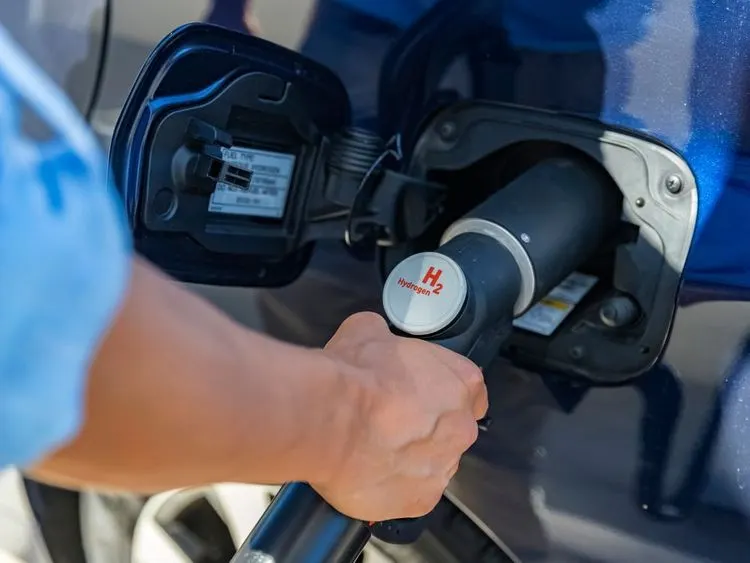
Japan plans to reduce its reliance on fossil fuels by replacing them with hydrogen, Bloomberg reports, citing a project by Kawasaki Heavy Industries - the only Japanese company working on a hydrogen supply chain. However, the hydrogen energy supply chain is a partnership between KHI and Australia that will supply the fuel in liquefied form for use in power plants instead of fossil fuels. The hydrogen is produced from lignite.
The pilot phase of the project will cost $ 364.35 million (A $ 500 million), AFP reported last week. The project is one of the few opportunities Japan could use to decarbonise its economy. Unlike Europe or the United States, the country is not well suited for large-scale solar and wind energy projects due to the sheer lack of land. It is also a resource poor country, which makes it dependent on fossil fuel imports. Hydrogen is nothing new in Japan: there is production from gas and oil, and the resulting fuel is used in micro fuel cells, fuel cell vehicles and experimental power plants. However, local production is expensive, so the alternative of importing hydrogen, which is made from cheap lignite in Australia, seems attractive, despite the additional cost of cooling the fuel and transporting it from Australia to Japan.
"Hydrogen is essential for Japan to achieve the zero emissions target," said the head of the hydrogen project at Kawasaki Heavy Industries in an interview with Bloomberg. "Renewable energy alone is not enough to meet the nation's high energy needs," added Motohiko Nishimura. It will require significant investments on top of the HESC project. According to the Asia Investor Group on Climate Change, Japan could need $ 425 billion to build a hydrogen supply industry that would meet 40 percent of its energy needs. Commercial use of hydrogen is slated to begin in 2030, according to KHI's Nishimura.