
Is Nuclear Waste the Key to Sustainable Energy?
Unlocking the Power of Nuclear Waste: A Sustainable Solution for Clean Energy
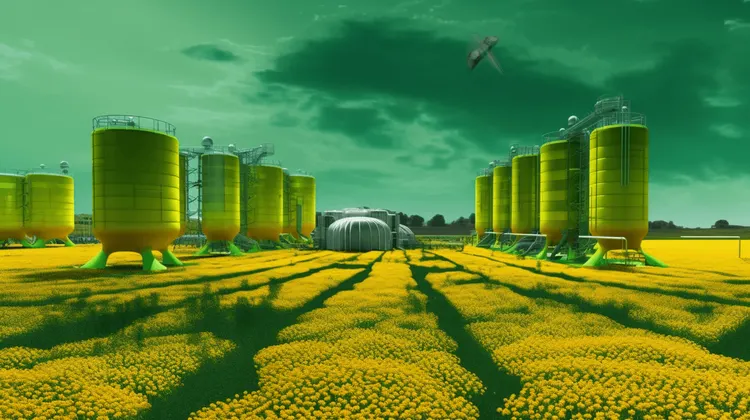
In a world grappling with the urgent need to transition to clean energy sources, one often-overlooked solution lies within the confines of nuclear waste. The international environmental campaign group, RePlanet, has put forth a bold proposal: repurpose used nuclear fuel to generate zero-carbon electricity for Europe. This proposition, outlined in their latest report titled "What a Waste: How fast-fission power can provide clean energy from nuclear waste," challenges conventional notions surrounding nuclear energy and waste management.
Current Challenges with Nuclear Waste
The accumulation of nuclear waste poses multifaceted challenges. While nuclear power reactors have demonstrated decades of safe operation, the issue of what to do with the irradiated fuel assemblies removed from these reactors remains contentious. Despite occupying relatively small volumes compared to other industrial waste, the political and environmental ramifications loom large. The prevailing narrative views nuclear waste as a burden to be buried underground, perpetuating concerns about its long-term impact on future generations.
RePlanet's Proposal: Extracting Energy from Used Nuclear Fuel
RePlanet's proposal hinges on the utilization of advanced fast reactors to extract energy from used nuclear fuel. By employing fast-neutron reactors, which have the capability to efficiently burn long-lived isotopes, the so-called "nuclear waste" can be transformed into a valuable energy resource. This process not only eliminates the waste conundrum but also contributes to a carbon-free energy transition. Moreover, RePlanet suggests that most of the remaining fission products would revert to a level of radioactivity comparable to natural uranium ore within a few centuries, simplifying waste disposal strategies.
Environmental and Economic Benefits
The environmental and economic benefits of RePlanet's proposal are profound. By harnessing the energy potential inherent in nuclear waste, Europe could achieve energy independence for centuries to come. The reduction in carbon emissions associated with traditional energy sources would significantly contribute to mitigating climate change. Furthermore, adopting a circular economy approach to nuclear fuel reprocessing could unlock new economic opportunities and create a more sustainable energy infrastructure.
Addressing Opposition to Nuclear Energy
Despite its potential, nuclear energy faces staunch opposition, particularly from certain green parties in Europe. Misconceptions about the safety and viability of nuclear power continue to pervade public discourse. RePlanet challenges these preconceptions, arguing that recycling nuclear waste is not only scientifically feasible but also imperative in the fight against climate change. With the recent release of the Intergovernmental Panel on Climate Change (IPCC) Synthesis Report underscoring the urgency of decarbonization efforts, the time to reconsider nuclear energy is now.
RePlanet's Campaign
As part of its advocacy efforts, RePlanet calls upon policymakers to reevaluate their stance on nuclear energy. Emphasizing the urgency of the climate crisis, the organization urges green parties to embrace evidence-based solutions rather than ideological opposition. Mark Lynas, climate author and RePlanet co-founder, emphasizes the need to dispel myths surrounding nuclear waste and recognize its potential as a clean energy source for future generations. Similarly, RePlanet Secretary General Karolina Lisslö Gylfe underscores the imperative of transitioning away from fossil fuels to avert catastrophic climate breakdown.
Expert Testimonials
Mark Lynas asserts, "Anti-nuclear campaigners never tire of repeating the mantra that nuclear waste is a burden. However, we show in this RePlanet report that nuclear waste simply needs to be recycled efficiently to generate centuries of clean power." Karolina Lisslö Gylfe echoes this sentiment, emphasizing the critical role of nuclear energy in combating climate change.
Conclusion
The prospect of extracting energy from used nuclear fuel offers a promising pathway towards a sustainable energy future. RePlanet's proposal challenges conventional wisdom and underscores the untapped potential of nuclear waste. As the world grapples with the imperative to reduce carbon emissions, embracing innovative solutions like fast-fission power is essential. By transcending political barriers and fostering informed dialogue, we can pave the way for a cleaner, more resilient energy landscape.