
Is the Future of Datacenters Nuclear?
Unveiling the Fusion of Technology and Nuclear Power: The Rise of Datacenters Near Nuclear Plants
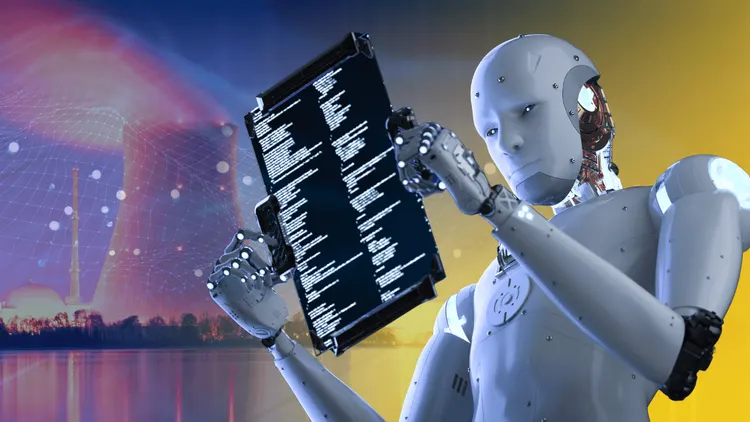
The intersection of technology and real estate has always been intriguing, but as AI continues to redefine industries, it's reshaping even the most unexpected landscapes. One such area experiencing a surge in interest is the land surrounding nuclear power plants. What might seem like an unlikely pairing at first glance is emerging as a hot commodity in the realm of datacenter development.
Nuclear Power's Appeal for Datacenters
Datacenters, the backbone of the digital age, are notorious for their insatiable appetite for energy. With the advent of AI and its increasingly complex workloads, the demand for power has reached unprecedented levels. In this context, nuclear power presents an enticing proposition. Not only is it known for its reliability, but it also boasts a carbon-free profile, aligning well with sustainability initiatives.
NE Energy's Project at Millstone Nuclear Power Plant
One company at the forefront of this trend is NE Energy, which has set its sights on constructing AI datacenters adjacent to the Millstone nuclear power plant in Waterford, Connecticut. However, gaining approval for such a project has proven to be a formidable challenge. Local residents express concerns over potential hikes in electricity costs, posing hurdles for NE Energy's ambitious plans.
Local Concerns and Negotiations
Addressing these concerns, NE Energy has embarked on a path of negotiation, aiming to assuage fears while ensuring the viability of its project. By directly connecting to the power plant, the company seeks to secure favorable pricing arrangements, thereby mitigating the impact on consumers. Additionally, NE Energy has committed to substantial financial contributions to the local community, signaling its dedication to fostering positive relationships.
Other Datacenter Operators' Interest in Nuclear Sites
NE Energy isn't alone in recognizing the potential of nuclear sites for datacenter development. Major players like Amazon Web Services (AWS) have already made significant investments in this space. AWS's recent agreement to acquire datacenters near the Susquehanna nuclear power plant underscores the growing allure of nuclear-powered facilities for tech giants.
<a class="tvreplink" target="_blank" href="https://www.tradingview.com/chart/?symbol=Nasdaq%3AMSFT">Microsoft's Exploration of Small Modular Reactors
Meanwhile, Microsoft is exploring an innovative approach to power its datacenters: small modular reactors (SMRs). By leveraging modular nuclear technology, Microsoft aims to enhance the efficiency and sustainability of its operations. While still in the exploratory phase, this initiative holds promise for revolutionizing the datacenter landscape.
Future Prospects and Challenges
Looking ahead, the convergence of AI and nuclear power presents both opportunities and challenges. As demand for AI-driven services continues to surge, so too will the need for energy-efficient infrastructure. However, navigating regulatory complexities and addressing community concerns will remain critical hurdles for developers in this space. Nevertheless, the allure of carbon-free power sources will likely drive further exploration and investment.
Conclusion
The symbiotic relationship between AI and nuclear power is reshaping the real estate landscape, with land near nuclear plants emerging as coveted territory for datacenter development. While challenges abound, the promise of sustainable, reliable energy sources fuels optimism for a future where technology and environmental stewardship coexist harmoniously.