Is Georgia's Vogtle Nuclear Plant a Symbol of Hope or Despair for America?
Navigating the Controversy and Complexity of Nuclear Energy at Georgia's Vogtle Plant
 Editorial Team (ET)October 4, 2026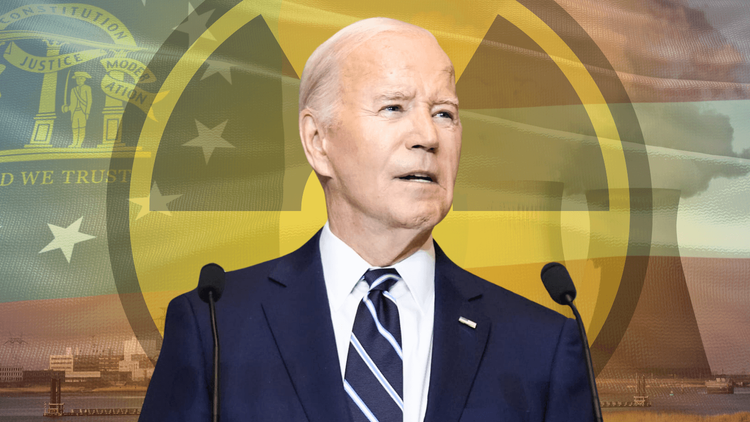
Few issues evoke as much controversy in American environmental circles as nuclear energy. While some tout it as a clean, efficient power source crucial for combating climate change, others cite concerns over safety and waste disposal, exacerbated by historical incidents like the Three Mile Island meltdown. Amidst this debate lies the Vogtle Nuclear Power Plant in Waynesboro, Georgia, a testament to the complexities of nuclear energy's future in the United States.
The Vogtle Plant: A Symbol of Nuclear's Future
Located near Waynesboro, Georgia, the Vogtle Nuclear Power Plant is poised to become a pivotal landmark in America's nuclear energy landscape. Approved by Georgia regulators in 2009, it comprises Units 3 and 4, representing the first new nuclear reactors built from scratch in the U.S. in decades.
However, Vogtle's journey has been fraught with challenges. Budget overruns and delays have plagued the project, with costs ballooning to a staggering $35 billion, nearly doubling the initial budget and making it one of the most expensive infrastructure ventures in American history. Interpretations and Lessons Learned Opinions on Vogtle's significance diverge sharply. While some view it as a cautionary tale, citing its disastrous cost overruns, others see it as a learning experience crucial for informing future nuclear endeavors.
Biden Administration's Stance on Nuclear
The Biden administration recognizes nuclear energy as a vital component in achieving net-zero emissions by 2050. Vogtle's completion is seen as a potential catalyst for revitalizing the U.S. nuclear industry.
The construction of Vogtle necessitated the revitalization of the nuclear workforce and supply chain, involving extensive training and investments. Lessons learned from Vogtle's challenges have paved the way for potential cost reductions in future projects.
Prospects for Future Nuclear Projects
Despite optimism surrounding Vogtle's completion, the prospects for new nuclear projects remain uncertain. Regulatory hurdles, financial risks, and workforce limitations pose significant barriers to nuclear expansion.
Utilities in the Southeast, operating under a vertically integrated monopoly model, are best positioned to undertake nuclear projects. However, regulatory concerns and financial uncertainties hinder investment in new reactors. The debate over nuclear expansion rages on, with stakeholders divided over the viability of different reactor technologies and the necessity of federal support in mitigating financial risks. Rising electricity demands, fueled by emerging industries and technological advancements, underscore the need for robust energy planning. Nuclear energy presents a potential solution to meet this growing demand sustainably.
Fossil Fuel vs. Nuclear Expansion
Despite nuclear's potential, utilities continue to prioritize fossil fuel expansion, raising concerns about the long-term implications for climate change mitigation and energy sustainability. Advocates stress the importance of strategic decision-making in energy planning, emphasizing the need for long-term investments in sustainable energy solutions. Community engagement and involvement in state-level resource planning processes are essential for shaping the future of energy infrastructure and promoting sustainability.
As America stands at a crossroads in its energy transition, navigating the complexities of nuclear energy requires careful consideration of risks, rewards, and the imperative of sustainable development.