
India to Boost Critical Minerals Extraction with New Incentives
India's Bold Initiative to Secure Its Energy Future by Boosting Domestic Critical Minerals Extraction
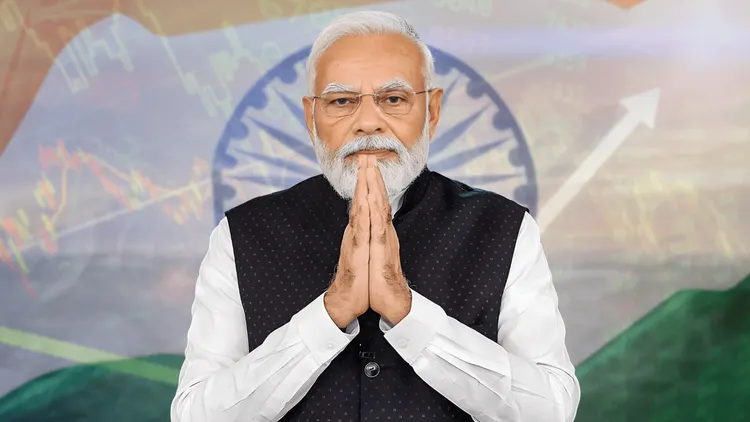
India is set to make a significant leap in its pursuit of energy security by offering incentives to bolster the extraction of critical minerals. This strategic initiative aims to reduce the country's heavy reliance on imports of vital minerals like lithium and rare earth elements, which are essential for energy transition technologies such as electric vehicles and renewable energy systems.
India’s Dependence on Imports
India’s dependency on importing critical minerals has long been a vulnerability, exposing the country to the uncertainties of global supply chains and market volatility. Lithium, crucial for battery production, and rare earth elements, indispensable in high-tech applications, are among the most critical resources that India currently imports. These imports, mainly sourced from countries like China and Australia, place India in a precarious position, especially as global demand for these materials continues to soar.
Previous Efforts and Challenges
The Indian government has previously attempted to develop a domestic critical minerals industry, but with limited success. For instance, in June, development rights were granted for a lithium block in Chhattisgarh. However, efforts to auction lithium blocks in Jammu and Kashmir were less fruitful, hindered by low mineral concentration and high extraction costs, deterring potential investors.
The New Government Initiative
In a bid to overcome these challenges, the Indian government is launching a new initiative aimed at revitalizing its critical minerals sector. The plan involves substantial funding—nearly $50 million—for research institutes to provide technical assistance to miners. This collaboration between research bodies and mining companies is expected to develop advanced extraction and beneficiation techniques, making domestic mining operations more viable.
Role of Research Institutes
Key to this initiative is the involvement of research institutes like the CSIR-National Institute for Interdisciplinary Science and Technology (NIIST). These institutes will develop specialized extraction methods tailored to the specific characteristics of India's mineral deposits. The Ministry of Mines has already issued directives to NIIST and five other research institutes to assist in this endeavor, reflecting the government’s commitment to building a self-sufficient critical minerals industry.
Economic and Strategic Implications
This initiative has far-reaching economic implications. By reducing its reliance on imports, India can not only save on costs but also stabilize its economy against global supply chain disruptions. Moreover, developing a domestic critical minerals industry could elevate India’s position in the global market, turning it into a key player in the supply chain for energy transition technologies.
Challenges Ahead
Despite the promise of this initiative, several challenges remain. The technical difficulties of extracting critical minerals from India's deposits, coupled with the high costs involved, could still pose significant obstacles. The success of this initiative will depend on the ability of research institutes and mining companies to innovate and develop cost-effective solutions.
Conclusion
India’s decision to offer incentives for critical minerals extraction marks a pivotal moment in the country’s journey towards energy independence. By investing in domestic resources, India is not only reducing its dependence on foreign imports but also positioning itself as a future leader in the global energy transition. The path forward may be fraught with challenges, but the potential rewards make it a strategic move worth pursuing.