
How Tesla´s Bitcoin coup relates to Chinese coal
Most Bitcoins are still mined using extremely cheap Chinese coal energy.
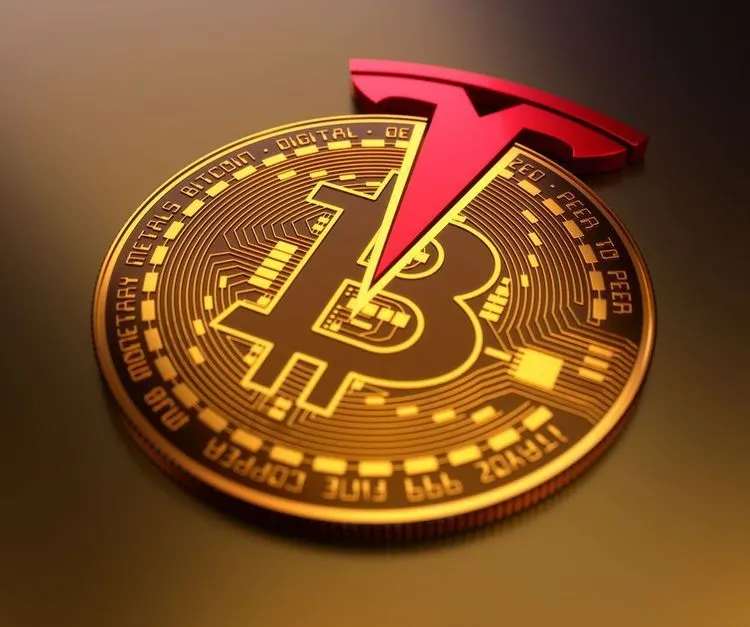
There's a pretty good chance that any new bitcoin created after the Elon Musk-sponsored surge in cryptocurrency towards $ 50,000 will be created using cheap coal-fired power in China's Xinjiang. The region, which has become notorious in recent years for complaints of abuse by Uighur Muslim minorities, is also a center for bitcoin production. Almost two-thirds of global production took place in China as of April 2020, according to researchers from the University of Cambridge, and about a third of that in Xinjiang. The main draw is the cheap energy needed to run the computers that run the complicated equations for what is known as the "proof of work," which confirms transactions without a third party, which is the majority of a miner's expense. But in contrast to the almost carbon-free mining in places like the Nordic region, most of the electricity in Xinjiang is still generated with environmentally harmful coal-fired power plants. "Cheap and reliable electricity is really essential," said Amanda Ahl, a BloombergNEF analyst. "It affects how much profit the miners can make." Power-intensive industries like aluminum smelting and polysilicon production have long been drawn to Xinjiang because electricity prices there are extremely low - just 0.22 yuan ($ 0.03) per kilowatt-hour, compared to 0.6-0.7 yuan in central China, so BloombergNEF. The main reason for this is the coal. While Xinjiang has a rapidly developing renewable energy sector with wind turbines in the hills around Urumqi, it accounted for less than a quarter of the electricity it generated last year. Most of the rest is made with coal. The province is blessed with vast reserves of the fuel, but there are no economic means of transporting most of it to the population centers in the central and eastern parts of the country. On a large scale, Bitcoin mining uses relatively little electricity. According to a 2018 BloombergNEF study, it probably accounted for around 0.2% of all China's electricity needs in 2017.