Europe’s €500 Billion Defence Fund: A New Era of Security
Europe takes bold strides toward defence independence with a groundbreaking €500 billion initiative.
 Editorial Team (ET)October 3, 2026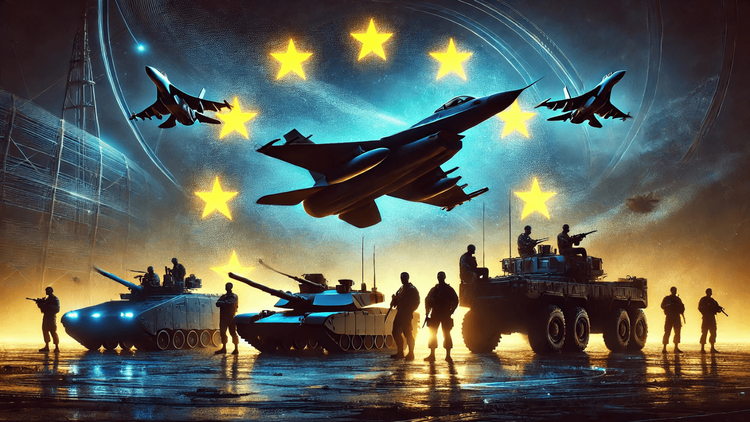
Europe is taking bold steps to strengthen its defence capabilities as geopolitical uncertainties mount. At the heart of this strategy lies an ambitious €500 billion defence fund, aimed at consolidating the continent’s military spending and reducing reliance on external security guarantees, particularly from the United States. This initiative marks a turning point in how European nations approach collective defence, spurred by Donald Trump’s previous criticisms of NATO and fears of his potential return to the White House.
The fund’s primary objective is to provide a unified financial framework for defence projects and arms procurement. Structured as a special-purpose vehicle (SPV), the fund will issue bonds backed by national guarantees from participating countries rather than relying on the EU’s collective fiscal mechanisms. This innovative financing model not only accommodates the preferences of fiscally conservative nations like Germany and the Netherlands but also allows non-EU states, such as the UK and Norway, to participate. This flexibility is crucial in rallying a diverse group of nations under a shared defence umbrella while respecting their individual fiscal policies and political inclinations.
Europe’s heightened sense of urgency stems largely from Trump’s past remarks, in which he questioned the United States’ commitment to defending NATO allies that fail to meet their spending obligations. Trump’s statements underscored a long-standing vulnerability: Europe’s reliance on U.S. military support. In response, European leaders have recognized the need for self-reliance and have accelerated discussions around a more cohesive and robust defence strategy. Greek Prime Minister Kyriakos Mitsotakis has noted a “renewed sense of urgency” among EU leaders, signaling a shift in mindset toward prioritizing collective security.
The fund is also expected to address another pressing concern: sustaining support for Ukraine. With the war in Ukraine continuing to dominate European security priorities, the initiative aims to ensure that resources are available not only for immediate needs but also for long-term investments in military infrastructure and technology. This dual focus reflects Europe’s determination to support its eastern neighbor while preparing for broader challenges to its security.
Despite its ambitious goals, the initiative faces significant hurdles. Chief among these is securing consensus among EU member states. While the idea of a defence fund has gained traction, disagreements persist over its size, scope, and allocation. Germany’s position, in particular, remains uncertain and may hinge on the outcome of its federal elections in February. Additionally, neutral states such as Austria and Ireland may opt out of military-focused projects, complicating efforts to present a unified front.
Fiscal conservatism also poses a challenge. Nations like Denmark and the Netherlands have traditionally resisted joint borrowing initiatives, citing concerns about financial risks and fiscal discipline. However, the voluntary nature of this fund—unlike past proposals for “Eurobonds”—has helped to mitigate some of these objections. By allowing countries to participate at their discretion, the fund offers a level of flexibility that could make it more palatable to hesitant nations.
The European Investment Bank (EIB) is expected to play a pivotal role in managing the fund’s operations. Although the EIB is prohibited from directly financing arms investments, it could oversee treasury functions and administer the SPV. This administrative role underscores the fund’s innovative approach to navigating existing legal and institutional constraints.
Beyond the immediate financial and operational considerations, the fund has broader implications for Europe’s defence industry. By pooling resources, the initiative aims to encourage defence contractors to make long-term investments, driving innovation and consolidation within the industry. Joint projects, such as common air defence systems proposed by Poland and Greece, stand to benefit significantly from this coordinated approach.
Geopolitically, the fund sends a strong message to both allies and adversaries. It signals Europe’s commitment to its own security and its willingness to invest in its future. While the fund seeks to reduce reliance on the United States, it could also strengthen NATO by enhancing Europe’s contribution to collective defence. This dual objective reflects a nuanced understanding of the continent’s strategic needs in an increasingly multipolar world.
In conclusion, the €500 billion defence fund represents a watershed moment for Europe. It embodies a shift toward greater self-reliance and strategic autonomy while acknowledging the complexities of collective decision-making. As discussions continue, the initiative’s success will depend on the ability of European leaders to reconcile diverse interests and chart a unified path forward. If successful, the fund could redefine Europe’s role in global security and lay the foundation for a more resilient and self-sufficient continent.