
Electric vehicles could cut global refining capacity needs in half by 2050
Consulting firm Rystad Energy: Degree of electrification will reach almost 90 percent.
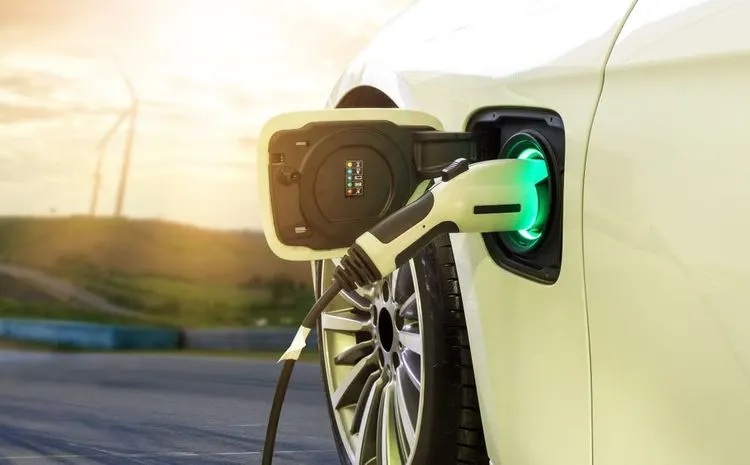
Electrifying road transport around the world to reduce carbon dioxide emissions could cut demand for oil refining capacity by half by 2050, according to consulting firm Rystad Energy.
"By 2050, we will have almost 90% electrification," said Mukesh Sahdev, senior vice president and head of downstream at Rystad Energy, adding that this scenario would likely result in a 50% decrease in global refining capacity .
Electric vehicles will reduce global consumption of gasoline and diesel, but the demand for other refined oil products in aviation, shipping and petrochemicals could remain high due to urbanization, which will pose a challenge for the refining sector, Mukesh said.
"How are we going to meet this demand when we reduce our refining capacity by 50%? I think this is a clear sign that there could be bottlenecks in those sectors where demand is increasing," he added.
"This will lead to a significant rationalization of the downstream equipment in the entire supply chain.
For example, coking plants, gasoline and diesel refining plants, would have to switch their production to produce more petroleum coke for graphite in batteries, he said, adding that direct processing of crude oil into petrochemicals is another trend.
Nevertheless, global oil demand could rise in the short term. The consultancy assumes that the backlog due to the COVID-19 pandemic will push global crude oil processing to 80.1 million barrels per day in the second half of 2021 as refineries maximize their gasoline production.