Could a European Squeeze on Potash Cripple US Agriculture?
As Diplomatic Tensions Mount, Berlin Eyes Canada’s Vast Fertilizer Reserves to Counter Washington, But the US is Already Sourcing an Unlikely Backup Plan in Belarus
 Editorial Team (ET)October 5, 2026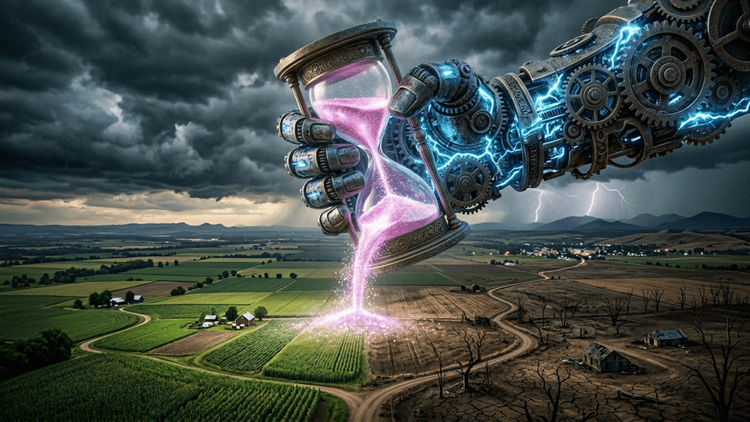
Geopolitics is rarely a clean business, but the latest transatlantic spat is getting squarely into the dirt. With relations between Washington and Berlin fraying, German authorities are reportedly mapping out vulnerabilities in the United States supply chain to secure a bit of diplomatic leverage. The pressure point they have unearthed is potash, a crucial potassium-rich agricultural fertilizer that keeps the world's largest economy fed and functioning.
The vulnerability is glaringly obvious to anyone looking at the trade ledgers. The US imports more than ninety percent of its potash, leaving American agriculture heavily reliant on foreign producers to keep its crop yields high. This sudden interest in fertilizer follows European shock over President Donald Trump’s recent threats to seize the Danish territory of Greenland. In response to that stunning diplomatic curveball, European leaders have been quietly scanning the global supply chain for leverage, identifying sensitive areas ranging from drug prices to artificial intelligence. Now, agriculture has entered the crosshairs.