
Commodity prices climb faster than in previous recoveries
Stocks and bond yields no longer react as they used to
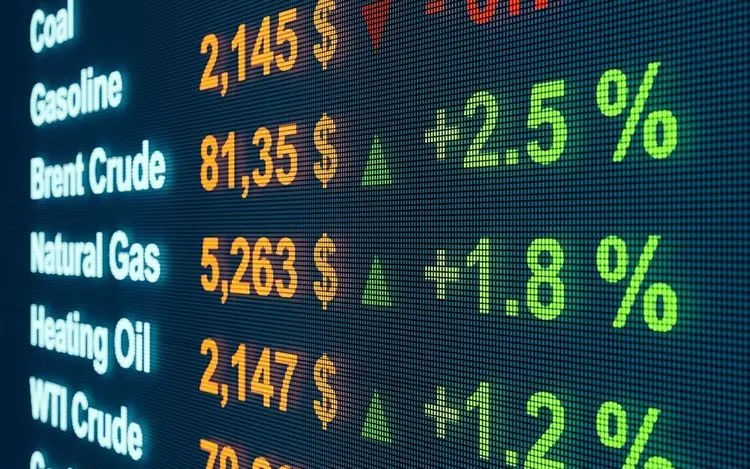
Commodities are rising rapidly as the world recovers from the Covid pandemic. But while the speed of this rally is unique, the real difference is that the gains do not spill over to other asset classes, particularly stocks and bonds.
Today's chart of the day shows the Bloomberg Commodity Index on a logarithmic scale since 2000. The regression lines that measure the speed of movements show that the post-pandemic recovery is different from the other two recoveries this century. It is normal for oil, metals, and even food prices to rise after recessions to signal that the economy is expanding. Usually, however, this is accompanied by sustained growth in small-cap and cyclical stocks, government bond yields, and emerging market assets. And that's not the case this time.
The Bloomberg Commodity Index rises to levels last seen in 2015, the year two years ago of coordinated global growth, and 2002, the year after the 2001 recession. But investors are withdrawing from more economically sensitive investments. Cyclical companies and emerging markets are calm and government bond yields are stagnating.
Of course, the world economy has grown significantly since 2000, which has resulted in higher demand for raw materials. The Federal Reserve's pandemic support has also helped keep economic activity going. Probably the most important factor, however, is China, the only major economy that will experience positive economic growth in 2020. It is responsible for around half of global copper consumption, a fifth of wheat demand and over 40% of oil imports since 2015. As China continues to mobilize its huge population, that proportion will likely only grow.
Perhaps unsurprisingly, Goldman Sachs is predicting a super cycle for commodities. Other Wall Street strategists see oil prices as high as $ 150 a barrel. Add to that the US infrastructure package, and rising raw material prices are as good as guaranteed. This is what worries the Fed. Chairman Powell expects inflation to ease in the second or third quarter of 2022 and will wait before considering further action. Wall Street strategists are betting that then the rate hikes will begin. Morgan Stanley now expects the Fed to hike rates in September 2022, two quarters earlier than previously forecast.
Emerging markets, which are more exposed to the inflationary effects of the commodity rally, are already responding to these concerns with monetary policy measures. Just yesterday, the Brazilian central bank raised interest rates for the second time by 150 basis points. These steps aren't exactly encouraging signs of growth. So the question investors are asking is whether the acceleration of the commodities rally is still a harbinger of good times - or a hurdle to overcome.