China Tightens Grip on Minerals Crucial to US Defense
China’s latest mineral export restrictions highlight its strategic grip on critical defense resources and prompt urgent calls for supply chain resilience in the US.
 Editorial Team (ET)October 2, 2026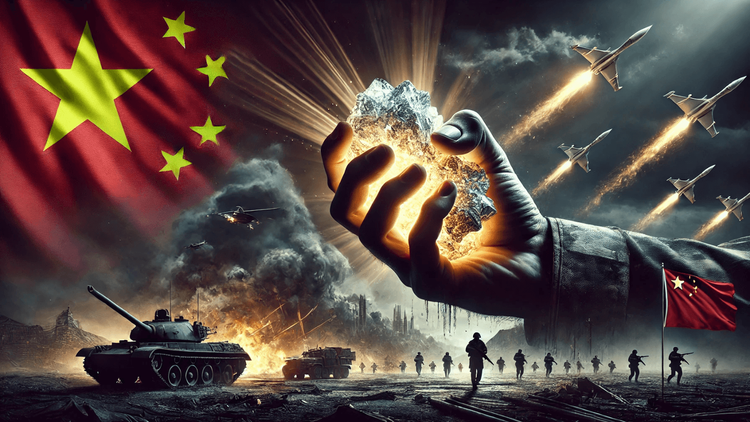
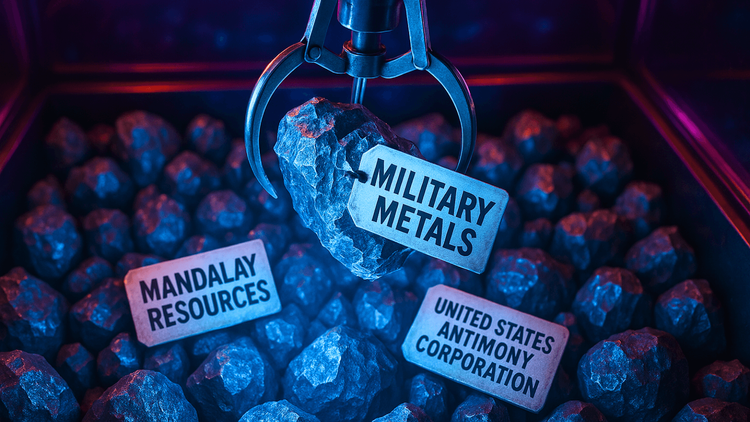
In a strategic move affecting the defense industry globally, China has imposed new restrictions on exporting critical minerals, specifically targeting antimony – a mineral crucial to US defense manufacturing. Used in products ranging from ammunition to night vision goggles, antimony’s newfound scarcity is expected to disrupt supply chains, driving up prices and sparking concerns about security dependencies. As the world's largest producer of antimony, China’s decision highlights the fragility of international reliance on a single country for essential resources.
China’s New Export Controls on Antimony
China’s latest export restrictions, effective this past Sunday, apply to six categories of antimony-related products, including raw antimony ore, refined metal, and antimony oxide. Companies exporting these materials now face a licensing process that can take months to secure, giving the Chinese government unprecedented control over this critical resource. The stated motivation behind this move, according to China’s Ministry of Commerce, is to protect national security and uphold international non-proliferation agreements. This shift represents a substantial escalation in the economic tactics used by China in its trade and strategic positioning on the global stage.
The Defense Role of Antimony and US Dependency
Antimony is an often-overlooked but vital mineral within US defense systems. Known for its flame-retardant qualities, it is essential for manufacturing ammunition, infrared-guided missiles, night vision technology, and machine bearings, all of which are critical components in modern military infrastructure. Beyond defense, antimony also plays an important role in renewable energy applications, particularly in batteries and photovoltaic cells. Last year, the US imported 63% of its antimony from China, underscoring the country’s dependency on Chinese sources for this strategic material.
Rising Prices and Industry Impact
The effect of China’s restrictions on antimony has been swift and severe, with prices nearly doubling to an unprecedented $38,000 per ton. This price spike has significant implications for the US defense sector, where cost hikes in materials like antimony can strain budgets, delay projects, and force manufacturers to pass along increased expenses. The energy and technology sectors, which also rely on antimony, are similarly feeling the pressure, potentially impacting everything from green energy initiatives to the production of everyday electronics.
Strategic Importance Beyond Antimony
China’s restriction of antimony exports follows similar actions on other critical minerals like gallium, germanium, and graphite over the past year. These materials, essential for high-tech and defense applications, have been at the center of trade tensions between China and the United States. By consolidating control over these resources, China not only gains leverage over the global market but also creates a tactical advantage in the ongoing economic competition with the US and its allies.
The US Response and Domestic Production Push
In the wake of these restrictions, US policymakers and defense leaders have called for an urgent reassessment of the country’s critical mineral dependencies. Congress has been increasingly vocal about the need to diversify supply chains and secure alternative sources of minerals like antimony. One potential solution lies in expanding domestic production capabilities. For instance, Perpetua Resources, an Idaho-based company, has committed to producing antimony within the US. Supported by the Pentagon and the US Export-Import Bank, Perpetua’s efforts could alleviate some pressures on the supply chain. However, regulatory and environmental hurdles continue to pose challenges, delaying production timetables.
The Road Ahead: Diversifying Supply Chains
China’s restrictions underscore the urgent need for the US and its allies to establish diversified, resilient supply chains for critical minerals. With delays in domestic production and an immediate reliance on international sources, alternative options are limited in the short term. In the long run, the US may look to technological substitutes or collaborative partnerships with allies to secure critical mineral supplies. Collaborative ventures with countries like Japan, Australia, and Canada may provide a buffer against future supply chain disruptions and strengthen collective security.
Conclusion
China’s latest restrictions on antimony exports reveal a new layer of complexity in the economic rivalry between the US and China, placing pressure on US defense and technology sectors and highlighting vulnerabilities in critical supply chains. As global demand for minerals like antimony grows, the US faces a pivotal moment in addressing its dependence on foreign sources. The path forward will require strategic investments in domestic production, international partnerships, and innovation in material alternatives, all of which are essential to ensure long-term resilience and security.