
China fines Jack Ma´s Alibaba with a record sum
The chinese online giant will have to pay 2.75 billion dollars.
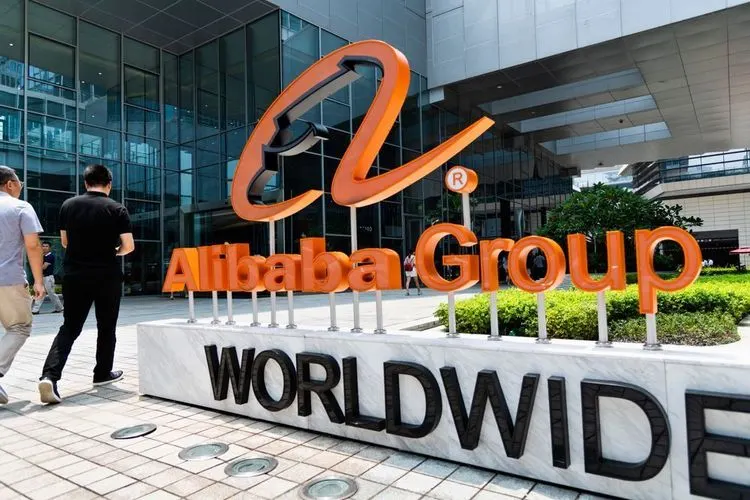
Last year, massive cracks emerged in Jack Ma's sprawling internet and cellphone empire after Chinese authorities canceled the Ant Group's highly anticipated $ 37 billion initial public offering. Jack Ma is the founder and former CEO of Alibaba Group Holding Ltd. (NYSE: BABA), which formerly owned the Ant Group when it was known as Ant Financial and Alipay. The supervisory authorities justified the rejection, among other things, with changes in the regulatory environment for fintechs. Most investors didn't believe it, however, and expected Alibaba to pay a price, especially after Ma's outburst of criticism of the way China's state banks operate. As it turns out, they were right: Chinese regulators have just fined Alibaba $ 2.75 billion for antitrust violations - a record for a Chinese company. Beijing has charged Alibaba with antimonopoly violations for abusing its dominant market position. The state agency for market regulation (SAMR) has stated that Alibaba has abused its market dominance since 2015 by banning its merchants from using other online e-commerce platforms. Most of Alibaba's problems, however, appear to stem from its financial arm. Over the past decade, Ant Group has grown into a one-stop shop for everything from online payments and financial investments to offering loans and a variety of other financial services, becoming the most powerful fintech in the world with over 700 million monthly users . Jack Ma founded Alipay, a subsidiary of Ant Financial, in 2004 to provide Chinese customers who did not have credit and debit cards with an easy way to shop on the vast online marketplace. The platform has grown steadily and today has 1.3 billion users. Ant Financial's dual listing on the Hong Kong and Shanghai stock exchanges was expected to raise at least $ 35 billion. As Alipay grew, Jack Ma discovered that the banks were not doing nearly enough to support small businesses and began promoting them with small loans. In 2010, Alipay was spun off from Alibaba after authorities stated that the platform needed a new license to operate. Until 2013, Alipay held billions of dollars worth of customer funds in escrow. It was around this time that the company came up with the idea of investing unused customer funds in money market funds in order to generate an income. The money market fund, known as Yu'e Bao for "leftover treasure," allows customers to invest from as little as 0.01 yuan ($ 0.0015). The fund pays interest rates several points higher than what banks pay on short-term deposits, which is possible because its status allows it to invest in riskier products than banks allow. A boom in asset-backed securities issued by micro-lenders who package consumer credit into securities has fueled the company's growth. China's banks, including the country's largest, are not happy with this development and have complained that Ant is siphoning off their deposits, forcing them to pay higher interest rates to attract deposits, and even leading to the closure of branches and ATMs. A state television station described Ant's massive money market fund as a "vampire sucking the blood out of banks". Beijing grew suspicious and looked for ways to put Ant in his place. Two years ago, the Central Bank of China thwarted Ant's longstanding efforts to set up a national credit scoring system by banning banks and credit institutions from using it, even though a private system was developed. Unlike the US, there is no national credit scoring system in China. Chinese regulators have ordered Ant Group to apply as a financial holding company, which would place it under the supervision of the central bank. In addition, Ant must put an end to the competition in payment transactions, which the regulatory authorities perceive as unfair, and improve its corporate governance. Interestingly, the BABA share has soared after the fine and has gained almost 10% since the judgment. HSBC says the rally was due to Alibaba's Sword of Damocles "being lifted as regulatory risks have already been priced in and antitrust concerns largely resolved.