
BP hires many new employees for offshore wind division
Energy group poaches senior staff from rivals Orsted, Iberdrola and RWE
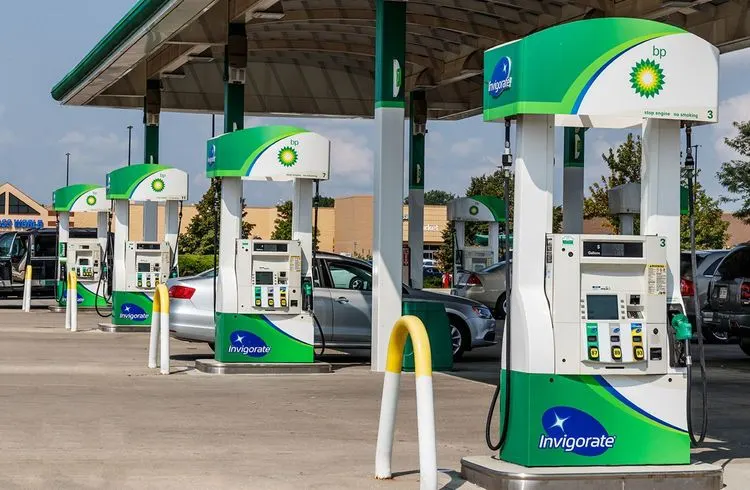
BP has reshuffled the management of its offshore wind business after hiring a number of new employees from industry rivals Orsted, Iberdrola and RWE since the beginning of the year.
The appointments, which come amid an increasingly fierce battle for renewable energy talent, are a major achievement for the UK-listed company, which has some of the oil and gas industry's most ambitious targets for the adoption of green electricity.
Matthias Bausenwein joined BP in August to lead the offshore wind division after nine years at Orsted. He will be joined by Alfonso Montero Lopez, who after 12 years at the Spanish company Iberdrola will be responsible for the area as Chief Technical Officer.
Richard Sandford, a former director at RWE Renewables, joined BP in July to lead offshore wind in the UK, while Dave Vinton, also joining from Orsted earlier this year, is responsible for offshore wind talent acquisition .
The additions follow last year's highly publicized appointment of Anja-Isabel Dotzenrath, former CEO of RWE Renewables, as head of gas and low-carbon business to drive BP's renewable energy strategy.
To break with the oil company's tradition of developing itself, BP has hired more executives from outside the company under CEO Bernard Looney. In February, Looney told the Financial Times that 36 senior executives from companies including Tesla, Vodafone, 7-Eleven and the Toyota Research Institute have come so far.
Since taking office in February 2020, Looney has pledged to increase investment in low-carbon projects tenfold and build or acquire 50 GW of renewable energy by 2030.
Still, oil and gas continues to dominate the company's revenues and investments. This month, BP reported a third-quarter profit of $8.2 billion, almost entirely attributable to hydrocarbons.
Investments in the company's five business segments - biofuels, convenience (gas stations and groceries), charging infrastructure, renewable energy and hydrogen - are expected to account for 40 percent of total investments by 2025.
In two years, BP has not scaled up from a single offshore wind project to a pipeline of more than 10 gigawatts.
"We want to be a leading developer of offshore wind power, tackling new projects every year through 2030 and beyond," Bausenwein told the FT. Orsted, by comparison, has an installed capacity of 7.5 gigawatts and plans to have 30 gigawatts by 2030.
BP's offshore wind division has about 200 employees and plans to grow to 800 employees over the next two years, with more than half the team likely to be hired from other companies, Bausenwein said.
However, supply chain problems and rising costs mean the industry faces "challenging times," he added. Despite strong demand for offshore wind turbines, European turbine manufacturers struggling with inflation and supply disruptions have announced job cuts in recent weeks.
According to Bausenwein, BP must work earlier and more closely with suppliers to ensure joint success. "If one of our suppliers fails along the way, we will have big problems. It's about achieving something together."