Aussie mining sector with slower growth than expected
Due to lockdowns in the mining regions, the sector should a slower than expected growth.
 Justin Wong (JW)October 2, 2026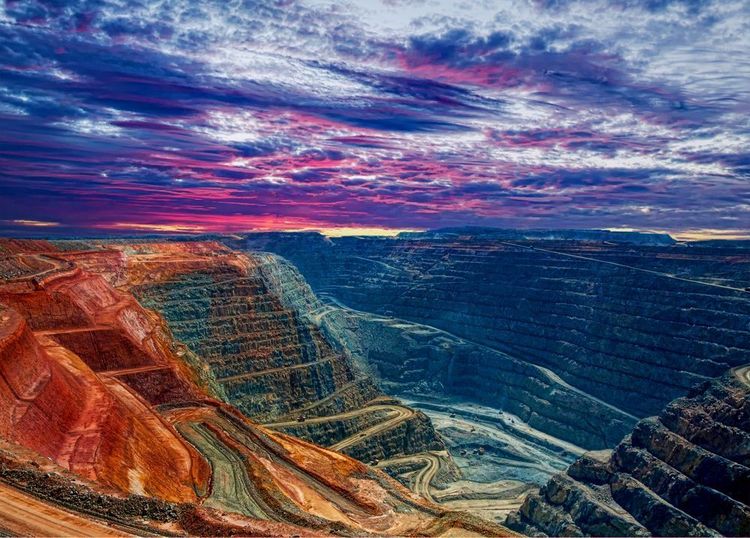
The Australian Bureau of Statistics (ABS) reported today that while the domestic mining sector had sustained growth across all major data items in 2020, it slowed year over year. The report showed that mining EBITDA growth slowed from 14.2% ($ 19.4 billion) from 29.9% ($ 31.3 billion) in 2018-19. ABS said this growth was primarily driven by an 8.7% ($ 26.2b) increase in sales and service income, which was driven by an increase in expenses (excluding interest and amortization) of 5.6% ($ 9.3b) was balanced. According to ABS, earnings growth in mining was driven by metal ore mining and slowed by coal mining. The metal ore mining sub-sector was primarily driven by iron ore mining, which grew 46.3% ($ 21.9 billion). Lower coal prices impacted the 28.0% (- $ 8.4 billion) lower EBITDA in the coal mining sector. The mining export price index grew by 3.5% between fiscal years 2018-19 and 2019-20 and by 17.9% between calendar years 2018 and 2019. The metal ore mining sector benefited from the strong export growth with an increase in EBITDA of 40.8%. ABS added that employment in the mining industry increased by 9,000 people (5.1%), driven by growth in the metal ore mining subdivision, which increased employment by 7,000 people (10.0%). Employment growth was reported in both the iron ore mining class (4,000 people, 11.9%) and the gold ore mining class (2,000 people, 12.1%). The mining industry contributed $ 186.7 billion (35.0%) to sales and service income for Western Australia. For Western Australia and the Northern Territory, mining and construction were the industries with the largest share of wages and salaries.