
Activist Short-Selling Under Pressure: Hindenburg Research Disbands
The abrupt closure of Hindenburg Research sparks debate over the pressures and evolution of activist short-selling.
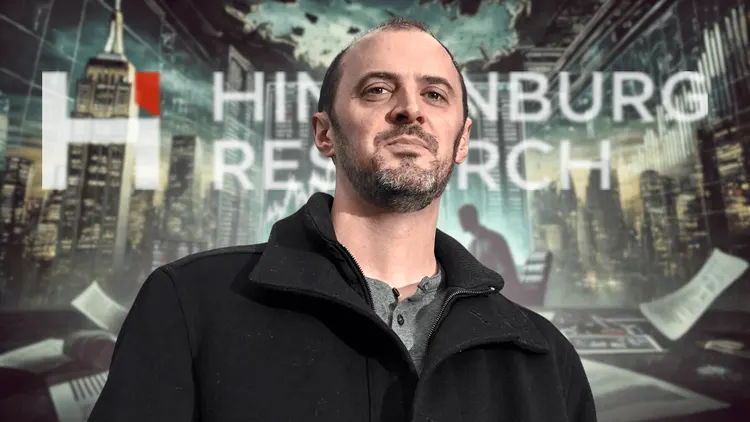
Hindenburg Research, once a powerhouse in the realm of activist short-selling, has closed its doors, sending shockwaves through the financial world. Nate Anderson, the firm’s founder, cited no specific reason for the abrupt shutdown, yet the closure has reignited discussions about the pressures and challenges of an industry that thrives on exposing corporate fraud and misconduct.
A Legacy Built on Exposing Fraud
Hindenburg Research rose to prominence with its groundbreaking short call on Nikola (NKLA) in 2020. Over the years, it targeted several high-profile companies, including Adani Group, Icahn Enterprises (IEP), and Super Micro Computer (SMCI). The firm’s reports played a role in nearly 100 individuals being charged civilly or criminally, showcasing the impact of its relentless pursuit of corporate accountability.
But activist short-selling is a grueling business. Industry veterans like Carson Block of Muddy Waters Capital describe it as emotionally and financially taxing. “Markets are designed to go up, not down,” Block noted, highlighting the inherent challenges of betting against the tide.
The Business of Activist Short-Selling
At its core, activist short-selling involves borrowing shares of a company, selling them at the current market price, and buying them back after the price drops to profit from the decline. Activist short sellers go a step further by publishing detailed reports alleging fraud, overvaluation, or misconduct within their target companies. These reports often stem from extensive research and, in some cases, collaboration with hedge funds.
However, this strategy isn’t without risks. Short sellers face legal threats, public backlash, and increasing regulatory scrutiny. The Securities and Exchange Commission (SEC) recently implemented stricter disclosure rules, requiring daily reporting of short positions exceeding $10 million. Critics argue that such regulations unfairly target short sellers, creating a climate of fear and discouragement.
A Tough Climate for Short Sellers
The 2021 GameStop (GME) short squeeze, driven by retail investors, marked a turning point for short sellers. The incident not only led to billions in losses for hedge funds like Melvin Capital but also brought heightened scrutiny to short-selling practices. Public and political interest surged, with many questioning the morality of profiting from a company's downfall.
Dan Taylor, a professor at the Wharton School, believes the focus on short sellers is misplaced. “If we’re scrutinizing short positions, why not examine long positions with the same intensity?” he asked, emphasizing the need for balanced oversight in the market.
A Cyclical Industry in Decline
The activist short-selling industry has been shrinking. According to Breakout Point, the number of active firms dropped from 62 in 2020 to just 42 in 2024. Despite these challenges, Hindenburg stood out as a top performer, consistently ranking as one of the most impactful players in the field.
The timing of Hindenburg’s closure remains puzzling. Some speculate that Anderson’s decision to shut down was strategic—leaving at the peak of the firm’s success rather than during a downturn. As Carson Block put it, “He’s going out on top, which is rare in this business.”
The Emotional Toll of Short-Selling
Short-selling isn’t just financially demanding—it’s emotionally draining. The constant battle against market optimism, coupled with legal and reputational risks, takes a toll. Jim Chanos, the renowned short seller who famously exposed Enron, also exited the scene recently, further underscoring the challenges faced by even the most seasoned professionals.
Activist short sellers often deal with intense backlash. Their findings, while necessary to uncover fraud, are rarely celebrated. As Drayton D’Silva of Tower Hills Capital pointed out, “There’s an animosity towards short sellers because the average person always wants to go long. But in reality, they’re exposing fake value.”
The Future of Activist Short-Selling
With Hindenburg’s departure, the future of activist short-selling remains uncertain. While some may see this as the end of an era, others believe it’s simply a cyclical pause. The industry may be evolving, but its role in holding corporations accountable is more critical than ever.
As markets continue to change and regulatory pressures mount, the legacy of firms like Hindenburg serves as a reminder of the courage and resilience required to challenge the status quo.