
140 Chinese Firms Blacklisted: What It Means for Global Tech
The U.S. expands its tech restrictions, targeting 140 Chinese companies, reshaping the global semiconductor landscape.
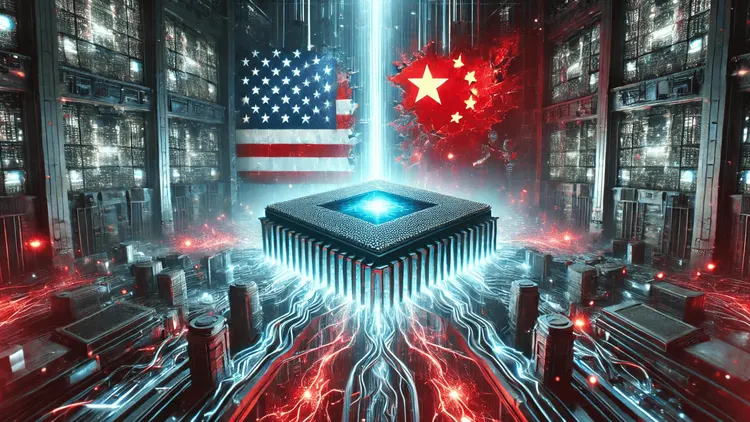
The U.S. Commerce Department has intensified its efforts to curb China's access to advanced technologies. On December 2, 2024, it announced a sweeping expansion of its "entity list," targeting 140 Chinese technology companies. This move is a direct strike at China’s semiconductor ambitions, reflecting escalating geopolitical and economic tensions between the two nations.
The "entity list" comprises foreign companies deemed to pose risks to U.S. national security or foreign policy. Inclusion effectively blocks access to critical U.S. technologies by requiring export licenses, which are rarely approved. Semiconductors are the backbone of modern technology, powering everything from smartphones to artificial intelligence systems. Limiting China’s access to cutting-edge chipmaking tools could slow its technological advancements significantly.
The updated list predominantly includes Chinese companies specializing in chipmaking tools and software. However, it also extends to Chinese-owned businesses operating in Japan, South Korea, and Singapore. The revised rules impose restrictions on exporting high-bandwidth memory chips to China. These chips are vital for data-intensive applications like AI, further tightening control over China's tech growth.
Commerce Secretary Gina Raimondo emphasized the measures are intended to hinder China’s use of advanced technologies in military modernization and other national security-sensitive areas.
Matthew S. Axelrod, Assistant Secretary for Export Enforcement, stated that these actions aim to prevent U.S. technology from enabling China's weapons of mass destruction programs and human rights violations.
China’s Commerce Ministry lambasted the U.S., describing the move as “economic coercion” and a non-market practice. It vowed to protect its interests, though specific countermeasures remain unclear. China has doubled down on efforts to achieve semiconductor self-sufficiency. Billions of dollars in subsidies and investments have been funneled into the industry, with notable but uneven progress.
Shares in Japanese chipmakers like Advantest and Tokyo Electron surged following the announcement, reflecting optimism about their potential to fill the void left by U.S. suppliers. Conversely, Chinese firms like Naura Technology Group and Piotech Inc. saw significant stock declines, underscoring investor concerns over the ramifications of the export controls.
The Biden administration has been bolstering domestic semiconductor production through investments and legislation like the CHIPS Act. These controls complement efforts to reduce dependence on foreign supply chains. The inclusion of entities in Japan, South Korea, and Singapore demonstrates Washington’s intent to rally allies in the tech cold war with China.
Global supply chains risk further fragmentation as nations prioritize domestic capabilities over international collaboration. While restrictions may slow China’s progress, they also risk stifling innovation by limiting market access for global companies reliant on Chinese partnerships.
The Biden administration has continued the Trump-era policy of targeting Chinese tech firms, signaling bipartisan support for a tougher stance on China. From Huawei to TikTok, the tech battlefield has been a central front in the broader geopolitical rivalry between the two superpowers.
American semiconductor firms have largely backed the move, citing the importance of safeguarding intellectual property and national security. However, some international players worry about disruptions to global supply chains and the potential for retaliatory measures from China.
China’s ability to achieve self-sufficiency in chipmaking will be crucial in determining its long-term resilience to such measures. The sustained expansion of export controls indicates that tech competition will remain a central theme in U.S.-China relations for years to come.
Conclusion: A Defining Moment in Tech Geopolitics
The U.S. decision to expand its export controls underscores the strategic importance of semiconductors in the global power struggle. While the immediate effects are clear, the long-term consequences for innovation, collaboration, and economic stability remain uncertain.