Used Car prices are going crazy
Low interest rates and a shortage for semi conductors pave way for a used car boom.
 Scott Wright (SW)October 5, 2026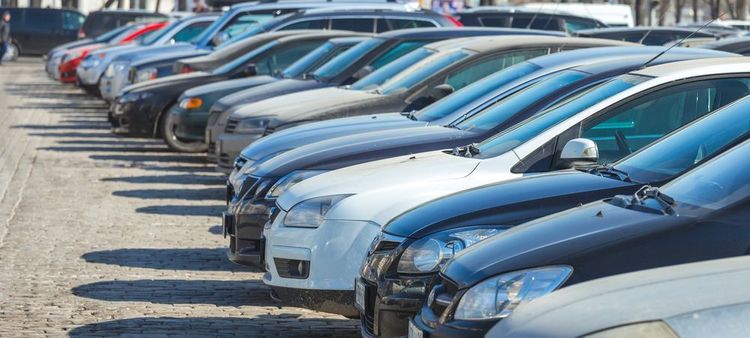
The increased demand combined with low interest rates and a large semiconductor shortage has caused prices for both new and used cars to skyrocket, so you may end up paying the price of a new car for its used counterpart. The change in price is particularly noticeable in the case of used cars, which have suddenly changed from depreciation to appreciation. The Associated Press (AP) reported that a two-year-old Toyota model with a sticker price of $ 29,000 is now selling for more than $ 33,000. Even dealers are willing to pay nearly $ 1,000 more than the sticker price just to get their hands on more inventory. According to CarGurus, the numbers have increased by an average of 30% compared to last year, and 17% since January this year alone. CarGurus' data shows that used car prices for 11 brands have increased by more than 30% compared to the previous year. The list is led by Ram, whose used cars are 40.5% more expensive than last year, followed by Aston Martin, Ford, GMC, Chevrolet, Dodge and VW - all between 35% and 38% more expensive. Last year, the pandemic caused automakers to cease operations and everyone predicted a slowdown in auto sales. However, sales of new cars quickly picked up again, leading to an increasing shortage of semiconductors, a key component of many computer-controlled electronics. As a result, the number of new vehicles decreased by 25% compared to the same time last year. Experts are now warning that inventories could drop by up to 40% if the semiconductor shortage does not improve. Global semiconductor shortages have disrupted auto production in the United States and elsewhere and is likely to continue for two years. Semiconductor shortages have hit almost every industry, but US automakers have been hit particularly hard, with some having to slow or stop production at their plants. Last year, the pandemic caused automakers to shut down. All predicted the slowdown in auto sales would continue, but new car sales picked up quickly, causing a growing shortage of semiconductors. As chip shortages intensify, prices for new vehicles are likely to continue to rise. Edmunds said 13% of those who bought a new car in the US last month paid more than the sticker price, compared with 8% in April. Another factor driving the rise in prices is that Americans have more cash to spend than last year, either because of government stimulus programs, less travel, less commuting, or perhaps even because of the gains on retail investments. Extremely low interest rates on a car loan make the purchase quite attractive on top of that. Overall, Americans now have $ 2.4 trillion more on the high edge than they did a year ago. With the car-buying frenzy, however, so too does car theft. According to the National Insurance Crime Bureau, the number of car thefts rose 9.2% last year from 2019 to 873,000, the highest level in more than a decade.