
US Anti Doping Authorities are calling for new cannabis rules
Even the White House is now involved in the move to legalize cannabis in sports.
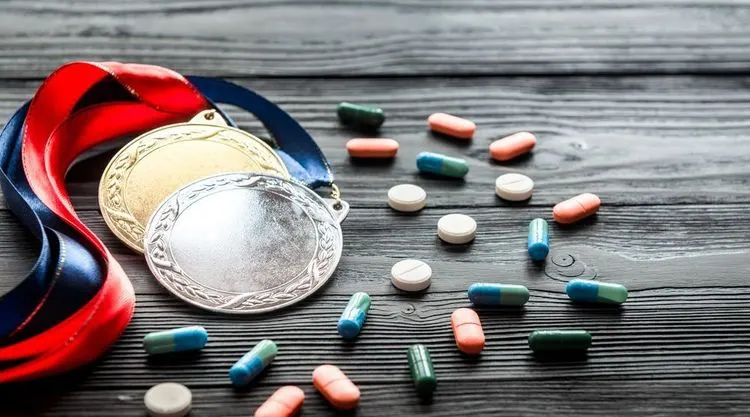
The U.S. Anti-Doping Agency (USADA) says it wants more flexible rules for athletes who test positive for cannabis after reports that the White House was holding a meeting with the World Anti-Doping Agency (WADA) seeks to discuss easing restrictions. The debate over athletes' cannabis use was rekindled after American sprinter Sha'Carri Richardson tested positive for the drug in Olympic track and field tests last month. The 21-year-old, who was traded as the top contender for the 100-meter gold at the Games from July 23 to August 8 in Tokyo, received a one-month ban, which makes her unfit for the US team. Richardson said in an NBC interview that her action came while dealing with news of her mother's death. The suspension sparked a wave of sympathy, including from President Joe Biden, and called for a review of anti-doping rules from the White House, the Financial Times reported. The White House did not respond to a request for comment. The USADA has taken a tough line against cannabis use by athletes for over a decade, insisting it stay on the prohibited list. But in a letter to Congressman Jamie Raskin and Congressman Alexandria Ocasio-Cortez on Friday, USADA President Travis Tygart said it had advocated more flexible and fair rules to regulate the use of marijuana by athletes. However, WADA told Reuters that USADA is taking a hard line when it comes to cannabis. USADA's submissions to the WADA Prohibited List Expert Group have repeatedly pushed for cannabis to be kept on the Prohibited List over the years, WADA said. "From 2004 until recently in 2021, the USADA has consistently insisted that cannabis should remain on the (prohibited) list," WADA told Reuters. In 2014, a proposal was made by the WADA Committee on Health, Medicine and Research to raise the threshold for a positive test to make the rule more liberal for athletes who use marijuana. The USADA flatly rejected the plan, according to WADA, as it was tantamount to removing cannabis from the prohibited list. USADA also pointed out in its letter to members of Congress that while the current trend is toward legalizing marijuana, many people around the world still view it as an illegal drug and argue that cannabis has no performance enhancing benefit in exercise have not been generally accepted. But of great concern to USADA is WADA's approach to cannabis testing, which it described to Reuters as "ethically, scientifically and procedurally flawed and not in the best interests of the athletes." "Our annual science-based comments to WADA have also focused on taking oral fluid or blood tests, rather than the current WADA-mandated urine testing approach, to ensure that those who can choose to legally use marijuana outside of competition What is allowed by the rules should not be caught and punished by the system, and also to ensure that those who use in unsafe or competitive purposes are held accountable, "USADA Chief Science Officer Matthew Fedoruk said in an e- Mail to Reuters. The USADA added that current urine tests do not adequately detect marijuana use on the day of the competition, which is prohibited, but can capture pre-competition use, which could be days or more before the athlete's competition. "Oral fluids or a blood test is actually a better matrix for determining use on the day of the competition rather than the use days before the competition," USADA said. WADA has been overseeing the Prohibited Substances List since 2004. Before that, it was the responsibility of the International Olympic Committee.