
Transforming the Energy Landscape: Fusion at Former Coal Power Sites
Commonwealth Fusion’s innovative vision for clean energy targets decommissioned coal plants as launchpads for a nuclear fusion revolution.
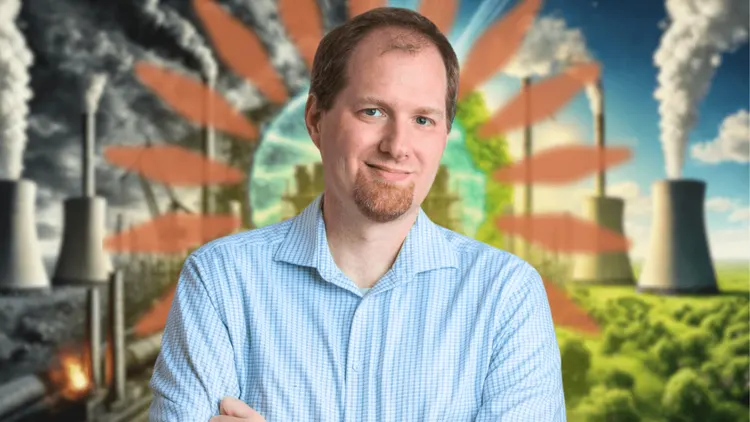
The race for clean energy has entered an exciting new phase. Commonwealth Fusion Systems LLC, a trailblazer in nuclear fusion technology, is proposing to transform decommissioned coal and natural gas plants into cutting-edge fusion power hubs. This bold strategy leverages existing infrastructure to bring fusion power closer to reality faster than ever before.
Fusion technology has long been considered the holy grail of energy solutions, offering virtually limitless, clean, and efficient power. Commonwealth Fusion’s innovative approach, backed by $2 billion in funding from investors like Bill Gates and John Doerr, may finally make this dream a reality.
Repurposing Fossil Fuel Plants
Commonwealth Fusion’s vision focuses on replacing the boilers in fossil fuel plants with their advanced tokamak fusion systems. These sites, once synonymous with pollution, could become symbols of the global transition to clean energy.
Old coal and gas plants provide ample space and valuable grid connections, making them ideal for the company’s plans. Commonwealth has already identified several promising sites in the US and UK for its first commercial system.
The Technology Driving Fusion Forward
Fusion requires containing superheated plasma—reaching hundreds of millions of degrees Celsius—within a magnetic field. Commonwealth’s toroidal field magnets, which are powerful enough to lift an aircraft carrier, are critical to stabilizing this volatile plasma.
The company recently achieved a major breakthrough with its central solenoid magnet, which can adjust magnetic fields in real time to maintain control of the plasma. Together, these innovations make sustained fusion reactions more feasible.
The Sparc Project and Beyond
Commonwealth’s Sparc project, a demonstration tokamak system under construction in Massachusetts, is slated to begin generating plasma by 2026. The company aims for Sparc to achieve net energy gain—producing more energy than it consumes—by early 2027.
Success with Sparc will pave the way for Arc, a larger commercial reactor designed to generate electricity. Commonwealth plans to deploy Arc in the early 2030s, accelerating the shift to fusion power.
Challenges and Opportunities
Fusion remains a complex and unproven technology. Containing plasma at such extreme temperatures is a monumental challenge, and skeptics argue that consistent net energy gain is still years away.
Despite these challenges, the fusion industry is gaining traction. Companies worldwide have collectively raised over $7 billion, and nations are increasingly looking to fusion as a critical piece of their clean energy strategies. Commonwealth’s focus on speed and efficiency positions it as a leader in this growing field.
Conclusion
Commonwealth Fusion Systems is reshaping the energy landscape with its ambitious plan to repurpose old fossil fuel plants into fusion powerhouses. By leveraging cutting-edge technology and existing infrastructure, the company is poised to make fusion a reality faster than previously thought possible.
If successful, this initiative could mark a turning point in the fight against climate change, delivering clean, reliable energy for generations to come.