The Nuclear Revolution: USA and UK’s Historic Gen IV Agreement
How the USA-UK Agreement Sets the Stage for Generation IV Nuclear Innovation
 Editorial Team (ET)October 3, 2026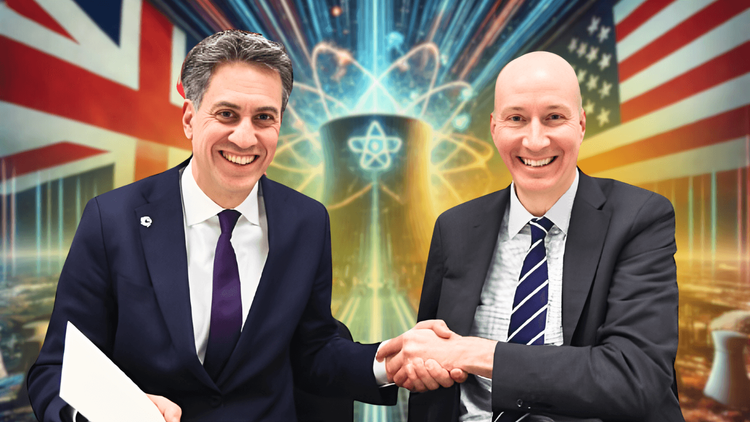
The United States and the United Kingdom have cemented their partnership in clean energy innovation with a landmark agreement to advance Generation IV nuclear technologies. Signed during the COP29 summit in Baku, Azerbaijan, the agreement paves the way for new energy advancements while excluding Russia from participation in the Generation IV International Forum (GIF).
Historic Step Toward Energy Transition
The agreement was signed by UK Energy Secretary Ed Miliband and US Deputy Secretary of Energy David Turk, underscoring a shared vision for a sustainable energy future. Miliband emphasized the pivotal role of nuclear energy, describing it as integral to the global clean energy transition. He highlighted that advanced nuclear technology would not only decarbonize industries but also create jobs and attract investment, solidifying its importance in the UK’s energy strategy.
David Turk echoed these sentiments, reaffirming the United States’ commitment to fostering international partnerships to tackle the dual challenges of climate change and energy security. The framework agreement is a testament to the growing collaboration between allies in achieving ambitious decarbonization goals.
The Generation IV International Forum and Its Mission
The Generation IV International Forum (GIF) was established in 2000 with the objective of spearheading research and development for next-generation nuclear reactors. Its mission is to deliver safe, efficient, and low-carbon energy solutions that address global energy demands. The forum’s overarching goal is to make fourth-generation nuclear systems deployable by 2030.
These advanced reactors are designed to surpass current nuclear technology by addressing safety concerns, improving waste management, and reducing costs. They represent a critical leap forward in ensuring the long-term viability of nuclear energy as a key component of the global energy mix.
Six Advanced Reactor Technologies in Development
The work of GIF has identified six cutting-edge reactor technologies for development. These include the gas-cooled fast reactor, lead-cooled fast reactor, molten salt reactor, sodium-cooled fast reactor, supercritical-water-cooled reactor, and very high-temperature reactor. Each of these technologies brings unique advantages, such as enhanced efficiency and safer operational frameworks, which are essential for meeting the ambitious deployment targets.
Exclusion of Russia and Changing Membership Dynamics
In a significant geopolitical shift, Russia, a founding member of the Generation IV International Forum, has been excluded from the new agreement. This decision reflects the evolving priorities of Western nations, which are focused on strengthening their own alliances while reducing reliance on Russian involvement in energy innovation.
Membership in GIF is determined by unanimous approval from current members and requires active participation in collaborative projects. Argentina and Brazil currently hold "non-active" member status, reflecting their limited engagement in the forum’s activities. This selective membership process ensures that participating nations remain committed to advancing the development of Gen IV systems.
Framework Agreement and Its Implications
The new framework agreement is set to come into force on March 1, 2025, once a third country signs the treaty. Current GIF members will then have three years to ratify the agreement domestically. This timeline underscores the urgency of fostering international cooperation in clean energy development.
Eleven of the existing members, including Canada, France, Japan, South Korea, South Africa, Switzerland, and Euratom, are expected to sign the new agreement. Australia, while initially listed, will remain an observer, reflecting its policy of not adopting nuclear energy.
Economic and Industrial Opportunities
The partnership between the US and UK is expected to generate significant economic benefits. By pooling resources and expertise, the two nations aim to drive breakthroughs in advanced nuclear technology. The research and development efforts under this framework are projected to attract billions in investment, creating opportunities for new industries and jobs in both countries.
The Nuclear Industry Association in the UK welcomed the agreement, with CEO Tom Greatrex describing it as a critical step toward realizing the potential of nuclear energy. He noted that the global ambition to triple nuclear capacity by 2050 would require robust international partnerships like the one established between the US and UK. Greatrex also emphasized the need for the UK to develop a comprehensive nuclear plan to match the United States’ aggressive target of adding 200 GW of nuclear capacity by mid-century.
A Pathway to Decarbonization
Advanced nuclear technologies have the potential to transform energy systems by providing reliable, low-carbon power. These systems are particularly suited for decarbonizing heavy industries that require consistent and large-scale energy supplies. The ability to generate low-carbon heat and electricity makes these technologies invaluable in the fight against climate change.
In addition to their environmental benefits, fourth-generation reactors address critical concerns related to nuclear safety, waste management, and public perception. By incorporating these advancements, the Generation IV International Forum seeks to rebuild public trust in nuclear energy as a viable solution for sustainable development.
Challenges and Future Outlook
The road to deploying Generation IV nuclear systems by 2030 is fraught with challenges. Achieving this ambitious timeline will require accelerated research, seamless collaboration among GIF members, and strong support from national governments. The exclusion of Russia adds a layer of complexity, but it also presents an opportunity for Western nations to strengthen their partnerships and lead the charge in nuclear innovation.
International cooperation will be pivotal in overcoming these hurdles. The United States and the United Kingdom, as leaders in nuclear technology, are poised to set an example for other nations to follow. Their commitment to advancing Gen IV systems could inspire greater participation from other GIF members, ensuring the forum’s continued success.
Forging a Nuclear-Powered Future
The USA and UK Gen IV nuclear collaboration agreement represents a monumental step toward a cleaner, more sustainable energy future. By prioritizing innovation and strengthening their alliance, the two nations have laid the groundwork for transformative advancements in nuclear technology. The framework not only underscores the importance of international cooperation but also reaffirms the critical role of nuclear energy in tackling climate change and ensuring energy security.