The Backbone of Trump’s Energy Dominance Strategy: Minerals
How Minerals Drive Trump’s Vision for US Energy Dominance
 Editorial Team (ET)October 5, 2026
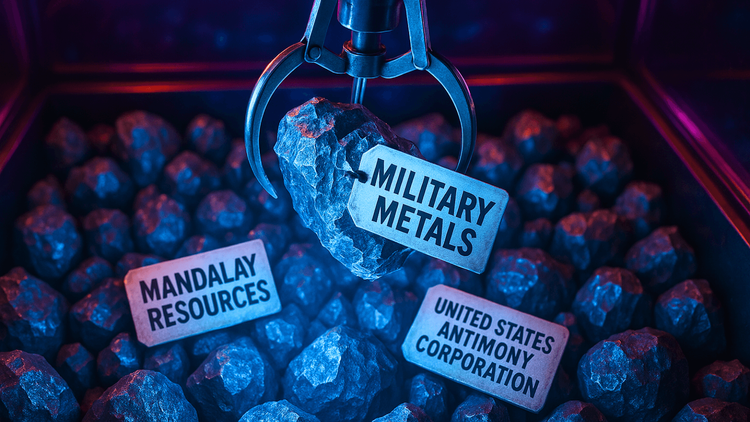
President-elect Donald Trump has unveiled an ambitious energy agenda, emphasizing “US energy dominance.” With a rallying cry to “DRILL BABY DRILL,” Trump envisions an America leveraging its "Liquid Gold" and a treasure trove of minerals to become self-reliant and energy independent. However, achieving this vision hinges on a critical foundation—secure and sufficient mineral supplies. From tungsten in exploration tools to copper for transmission lines, minerals are essential for energy infrastructure, equipment, and operations.
The Mineral Backbone of Energy Dominance
Minerals as Strategic Resources Energy dominance isn't just about oil and gas; it's also about the minerals that support the entire ecosystem. Minerals like palladium, platinum, and rare earth elements form the backbone of critical energy technologies.
Tungsten: Essential for exploration drill bits. Copper: Indispensable in electrical transmission infrastructure. Palladium: Crucial in refining petroleum and other energy processes.
AI and Copper Demand Artificial intelligence is emerging as a significant energy consumer, with data centers driving up electricity demands. This dependency further underscores the need for copper-intensive transmission lines. The US currently imports nearly 50% of its copper needs, posing a vulnerability as AI-related infrastructure expands.
Fragile Supply Chains: A Roadblock to Dominance
Supply chain disruptions have become all too common. From the COVID-19 pandemic to geopolitical tensions, fragile mineral supply chains threaten energy projects. The US relies heavily on imports, leaving it vulnerable to foreign export controls.
China’s dominance in mineral exports is a pressing concern. With export controls on over sixteen minerals, Beijing has the power to disrupt American energy projects at will. This dependency highlights the urgent need for domestic production.
Domestic Production: Securing the Future
Domestic mineral production eliminates risks associated with international shipping and geopolitical instability. It also empowers the US government to manage resources under laws like the Defense Production Act, ensuring priority allocation for critical projects.
Policy Solutions to Boost Mineral Supply
Reforming the Mine Permitting Process
The US mine permitting process is a notorious bottleneck. For instance, the Resolution Copper project in Arizona has been delayed for over a decade due to federal restrictions.
Potential Reforms:
- Expedite approvals for mining projects.
- Open federal lands to mineral exploration.
- Support land exchanges to enable mining operations.
Trump’s administration previously made strides in these areas, but subsequent policies reversed many of these gains. Trump has pledged to end restrictive policies if elected.
Financial Incentives for Mineral Projects Mineral production requires significant investment. Financial incentives can encourage new projects and sustain existing operations.
Proposed Measures:
- Expand the Advanced Technology Vehicle Manufacturing (ATVM) program to include mining projects.
- Revise the Section 45X tax credit to benefit non-vertically integrated mining operations.
Imposing Tariffs on Mineral Imports Tariffs could protect domestic industries from foreign competition. Historically, such measures have revived American mining sectors. For example, tungsten tariffs in the 1920s revitalized US production after Chinese imports flooded the market.
Case Studies in Mineral Strategy
The Resolution Copper project exemplifies how federal delays hamper progress. With the potential to meet 25% of US copper demand, its success could transform domestic supply chains.
The closure of Magnitude 7 Metals smelter in Missouri this year cut 30% of US aluminum smelting capacity. Aluminum is critical for offshore oil platforms and transmission cables, underscoring the need for domestic resilience.
Balancing Energy Dominance and Mineral Independence
The energy dominance agenda and mineral independence are intertwined. Without reliable mineral supplies, energy projects face delays, higher costs, and potential infeasibility. Policies promoting domestic production are essential for achieving Trump’s vision.
Conclusion: A Path Forward
Minerals are more than just resources; they are strategic assets vital for America’s energy dominance agenda. To secure this future, the US must bolster domestic production, reform permitting processes, provide financial incentives, and impose tariffs where necessary. By aligning mineral independence with energy goals, the US can solidify its path toward energy security and global leadership.