
Strong floodings let China face energy supply problems
The strong rainfalls in central china have forced the country to shut down some of its power plants.
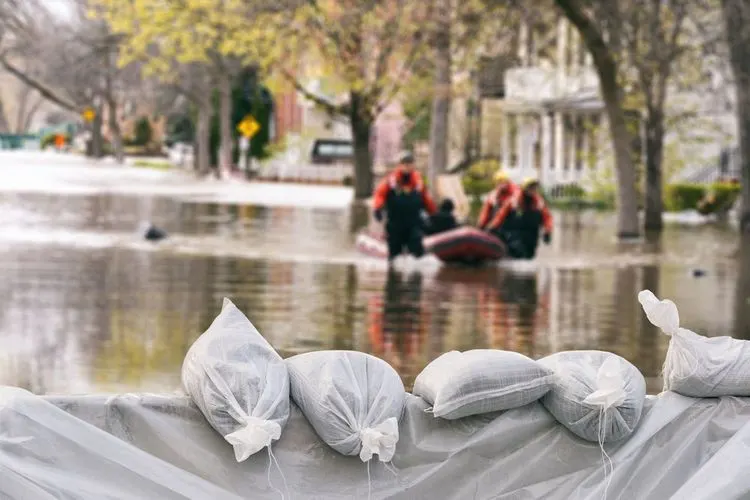
Within a few days, an entire annual rain fell in central China, devastating the city of Zhengzhou with a population of 5 million and killing dozens when the floods inundated Henan Province. The flash flood brought at least 10 trains with a total of 10,000 passengers to a standstill. Three of these trains stayed on the tracks for 40 hours without any escape for the passengers. 12 of these train passengers have now died. Meanwhile, heavy rains continue and the death toll in the area continues to rise. The Chinese government decided to blow up a dam in the area to divert the flooding and relieve the pressure caused by the rising water. The horror and tragedy of the people directly affected by the severe floods cannot be overstated and is nowhere near the greatest worry, but it is only part of the story. Indeed, the devastation and disruption caused by the torrential rains extends well beyond the borders of Henan Province. "The floods that soak central China and flood large parts of an important economic and transport hub are threatening the supply chains for goods from cars and electronics to pigs, peanuts and coal," Reuters reported on Thursday. The economic impact of this slowdown will continue to weigh on the people of central China, who have faced days of blackouts, lack of transportation, and other flood challenges. "Power was partially restored and some trains and flights ran on Thursday," the Reuters report added, "but analysts said the disruption could last for days, driving prices up and the economy in densely populated Henan and slow the neighboring provinces. " One of the hardest hit sectors is the coal sector, which China still relies on for most of its energy mix, even as it tries to get out of the heavily polluting fossil fuel. In addition, the disruption in the coal supply chain occurs at a time of greatest demand as consumers use more energy to brave the summer heat. While the floods in central China are historic, they are likely to become more common in the years to come, as well as these types of supply chain disruptions caused by the increased frequency of severe weather around the world due to advancing global warming. "China floods regularly during the summer months," the Guardian reported this week, but rapid urbanization and farmland conversion and the worsening climate crisis have exacerbated the effects of such events. China is far from alone. All over the world, countries' energy security is threatened by global warming and the increasing frequency of natural disasters and strong storms. Earlier this year we saw the devastation wreaked by an extreme cold snap in Texas, when unusually freezing temperatures and a massive power outage left hundreds of deaths. Experts have also warned that the United States' aging nuclear fleet is unprepared for global warming and the consequences could be catastrophic if industry and politics do not act proactively. In an era so marked by globalization and increasingly longer and more complex supply chains, incidents like this week's floods in China highlight the importance of either making those supply chains much more resilient or diversifying local markets and secure. Storms like the one in Zhengzhou are becoming more frequent and violent, and they have the power to cripple vital supply chains that affect people's access to food and electricity overnight. Energy security and sovereignty have never been more important than they are today.