
Southern Copper and Las Bambas called on to aid Peru’s mining manufacturing mission
Railway system operational by 2028
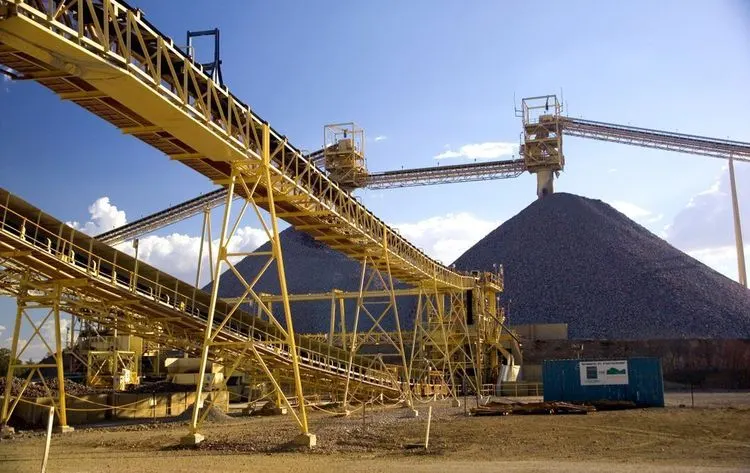
The Peruvian Mining Minister Ivan Merino recently announced in an interview that the country is asking the Chinese MMG Ltd Las Bambas and the Mexican Grupo Southern Copper to help develop a railway line to the Pacific coast. The project, which would connect the mineral-rich Andean region to the central Pacific coast, would improve the transportation of raw materials and people as Peru seeks to take advantage of its position as the world's leading copper producer. As the world's second largest copper producer, the country is keen to expand its high quality sector and continue to reap the economic benefits of the mining industry. The proposed rail project would make transportation easier and make the area more attractive for development and exploration. The project is currently in the technical assessment phase and, if approved, is expected to go into operation in Cusco or Apurimac in early 2023. "The cost of the project is currently under review," said Merino, who is optimistic that the rail system will be operational by 2028. Both mining companies already hold large stakes in the Peruvian mining industry. MMG's Las Bambas mine produces a whopping 350,000 tons of copper annually, while Grupo Mexico's $ 2.6 billion Los Chancas project is still in the environmental study phase. In theory, Southern Copper hopes the site will successfully produce approximately 100,000 tons of copper per year. "We think it's an interesting project that needs careful consideration," said Raúl Jacob Ruisánchez, Southern Copper's vice president of finance, and remains cautious about the company's approach to the proposed train project. Maggie Qin, MMG's Corporate Affairs Manager, is very interested in Las Bambas supporting Peru in its development efforts. "We are ready to work closely with the government and to help when and where it is needed. Both parties share a similar cautious stance on the project proposal, but neither has ruled out assisting Peru in its production endeavors, probably after weighing the benefits the project could bring to their own ongoing mining activities in the country.