
Rodents may keep Gold Fields from Exploring their Chilean Gold Deposit
A group of chinchillas might make it impossible to advance at the 3.5m ounce gold project.
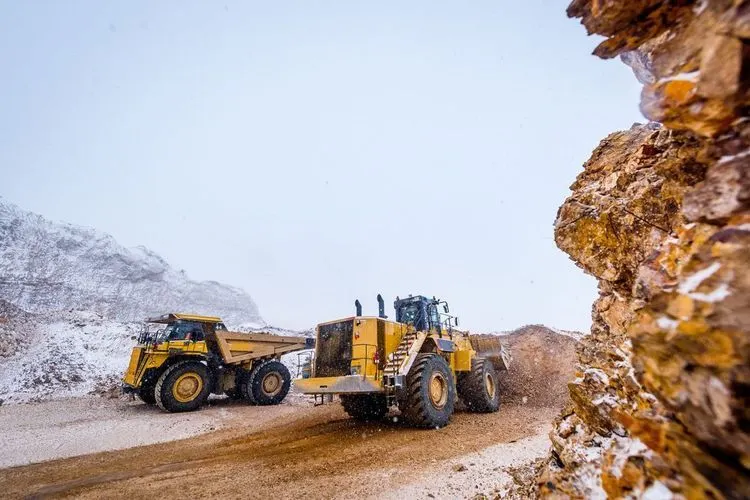
South African gold producer Gold Fields (TSX, NYSE: GFI) could soon access 3.5 million ounces of recoverable gold in northern Chile if it has an ongoing operation to capture and relocate a population of critically endangered chinchillas that live in the vicinity of the project , proves successful. Hunted for centuries for their thick, soft fur, chinchillas are now only found in parts of Chile in the wild and are protected by law. In 2017, CEO Nick Holland admitted that animals are one of the main obstacles the company faces at the Salares Norte site.
Gold Fields' environmental permit for the gold-silver project was contingent in part on finding a way to relocate chinchillas. It is not the first time that protecting endangered species has complicated licensing procedures. The Chilean authorities approved the Environmental Impact Assessment (EIA) for Salares Norte last December after Gold Fields committed to relocate the rodents about 4 km from the site.
In February, the board decided to build the mine, which will be completed in 2024. In August, Gold Fields' gave the go-ahead for the conservation work, which is expected to last nine months. The company has invested $ 400,000 in the project to date, including various population surveys using satellite technology, to ensure the chinchillas' survival. Gold Fields has also started building the mine storage facility and some key infrastructure. "We are using a trap that is baited and closed if the chinchilla enters," Luis Ortega, a Chilean environmental manager overseeing the removal of the rodents, told Undark.org. "The whole process needs to be done for each of the nine rocky areas where the animals are to be removed during the construction of the mine.
The government approved procedure calls for at least two attempts to capture specimens on each rocky area, each lasting 10 days. If the task is unsuccessful, operations must be suspended for 20 days before attempting again in order to minimize the disruption. According to Gold Fields figures, the Salares Norte Project's mineral reserves are valued at 3.5 million ounces of gold and 39 million ounces of silver, representing a resource of 4.1 million ounces of gold equivalent. Chinchillas prevent gold fields from accessing 3.5 million ounces of gold in Chile Exploration camp at the Salares Norte project in Chile. (Image courtesy of Gold Fields.) The project currently has a lifespan of 10 years or 11.5 years if the inferred resources are taken into account. The start of construction was originally planned for the last quarter of 2020, the first production should start in the first quarter of 2023.
However, restrictions related to the coronavirus have affected the schedule. Chile's gold production peaked at 54.1 tonnes in 2000, according to data from the country's Copper Commission, Cochilco. The country, the No. 1 copper producer and the second largest lithium producer after Australia, is currently ranked 25th worldwide when it comes to the yellow metal, according to the World Gold Council.