Robert Friedland: Why We Need to Mine 10,000 Years of Copper in 18 Years
Physics vs. Economics: Why the Green Transition and the AI Revolution Are About to Hit a Geological Wall.
 Editorial Team (ET)September 29, 2026
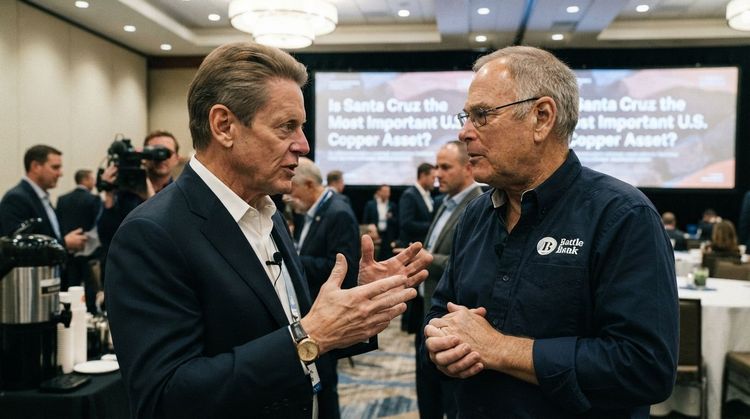
If you gathered every ounce of copper mined since a human first banged a rock against a green-streaked cave wall in 8,000 BC, you would have a pile weighing roughly 700 million tonnes. It took us ten millennia to dig that much metal out of the Earth. According to mining billionaire Robert Friedland, we have about 18 years to do it all over again. In a recent address that has sent ripples of quiet panic through the commodities sector, the Ivanhoe Mines founder laid out a mathematical reality that no amount of political optimism can solve. Friedland’s thesis is stark: even if we abandon the green transition tomorrow, no more Teslas, no more wind farms, no more net-zero pledges, the world still faces a catastrophic shortfall.
The core of the problem isn't the green dream; it’s the mundane reality of standard economic growth. We currently consume about 30 million tonnes of copper annually, with a paltry 4 million tonnes coming from recycling. Friedland points out that simply maintaining a 3% global GDP growth rate requires us to duplicate the entire history of copper mining in less than two decades. That figure assumes a business-as-usual world running on oil and gas. It does not account for the electrification of the global economy, the retooling of power grids, or the explosive energy demands of the AI revolution. When you layer those factors on top, the demand curve goes vertical.