
Rare Earth Prices are rising globally
The majority of the rare precious metals have seen strong price increases lately.
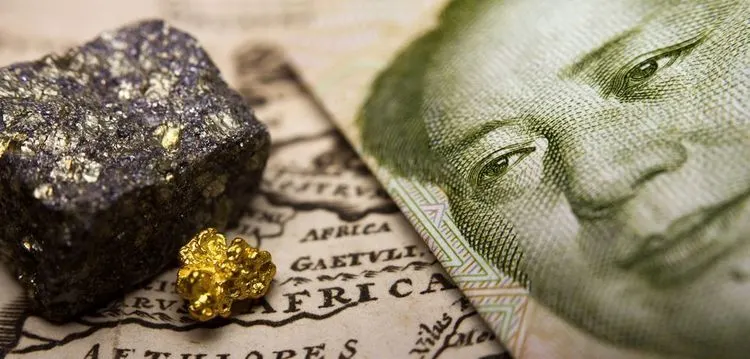
BMO Capital Markets says a rise in the price of Chinese rare earths in November is a reflection of geopolitical tensions between that country and the developed world. Commenting on the sudden price hikes, Colin Hamilton, commodities analyst at BMO Capital Markets, said the market is poised for a long-lasting change in the years to come, which we believe will lead to a gradual erosion of Chinese dominance in processing capabilities since Nations around the world are considering self-sufficiency in rare earths and other critical minerals while introducing more trade restrictions and economic protectionism. In November the prices of all major rare earths made in China rose, especially those used in magnets. In particular, neodymium, the most common rare earth used in the manufacture of magnets, has increased by 27% since the beginning of November and thus by over 50% in the year to date. Several other important rare earths have also appreciated in value in the past month, including dysprosium (+ 17%), gadolinium (+ 9%) and terbium (+ 27%). Another factor behind the price hike is a new law that went into effect in China on December 1st, Hamilton said. Known as the Export Control Act, it creates new regulations that give the government more control over exports such as technology and rare earths. "Market participants are increasingly of the opinion that the introduction of the new law will restrict exports of rare earths from China to key partner countries, including the US, under the pretext of protecting national security," said Hamilton. Although exports of Chinese rare earth metals have declined in recent years, Hamilton's report indicated that exports of rare earth based magnets are actually trending up due to increased global demand, including in the US. In anticipation of fears that the Chinese government could use the new law to further restrict exports, "key US customers (or perhaps the state reserve) have apparently bought up as much material as possible, with US imports of rare earth magnets im September reached 480 tons, the highest monthly amount since 2016. " There are already measures in place by nations at the political level to counter China's dominance and strengthen their domestic rare earth production. In Africa, the European Union, Australia, and North and South America, concerns over China's control of the market have fueled exploration and development projects and attracted greater attention from political leaders. "In May 2019, US Senators tabled legislation aimed at encouraging the development of domestic rare earths, while the US Department of Defense asked for additional federal funding to support domestic rare earth production," said Hamilton.