
Premier Tim Houston Hints at Lifting Uranium Ban in Nova Scotia
Nova Scotia considers reversing its decades-old uranium mining ban amidst global demand and local economic opportunities.
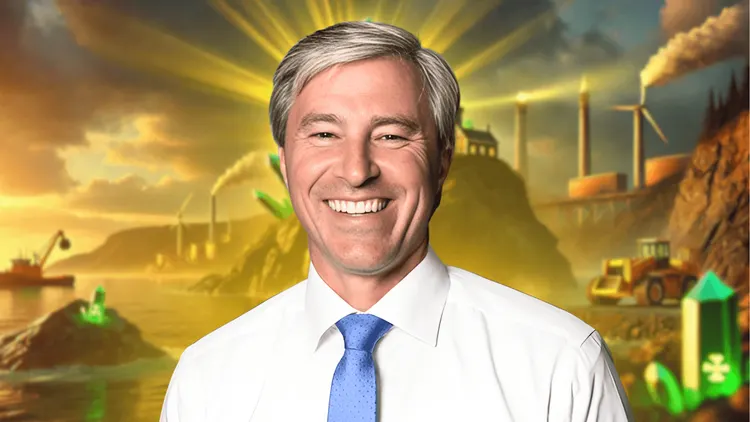
The winds of change are blowing in Nova Scotia as Premier Tim Houston hints at a potential shift in the province’s resource policies. This could include lifting the decades-old ban on uranium mining, a move that has sparked both excitement and concern among industry stakeholders and environmental advocates alike.
A History of Restriction: The Uranium Mining Ban
Nova Scotia has held a moratorium on uranium mining since 1981, formalized into law in 2009. This ban halted what had been a period of active uranium exploration in the province during the late 1970s. Despite significant uranium potential documented in those years, the provincial government imposed the moratorium amid public and political pressure during an election campaign.
Revisiting this policy, however, has been a subject of debate. In 1994, an interdepartmental government report recommended ending the ban, citing a lack of scientific evidence that uranium mining posed significant environmental or public health risks. The report, largely ignored at the time, has now resurfaced in light of Premier Houston’s remarks.
Houston’s Vision: “Taking the ‘No’ out of Nova Scotia”
In a bold statement to CBC News, Premier Houston argued that outright bans are "lazy public policy" and pledged to engage in “meaningful, mature discussion” on resource development. His comments suggest a shift away from policies driven by special interest groups toward a balanced approach that considers both economic growth and environmental responsibility.
Houston's openness to revisiting bans on sectors like uranium mining has energized the province’s mining industry. While he has not explicitly committed to lifting the moratorium, his willingness to reevaluate restrictive policies is being interpreted as a significant step forward by resource advocates.
The Mining Industry’s Perspective
The Mining Association of Nova Scotia has long advocated for the lifting of the uranium mining ban. Sean Kirby, the association’s executive director, emphasized the global demand for uranium and the province’s potential to contribute to this market. He also highlighted the mining industry’s advancements in environmental stewardship, stating, “The modern mining industry does an excellent job of taking care of the environment and operates with the highest standards.”
Nova Scotia’s mining and quarrying sector currently employs 5,500 people, many of whom live in rural communities where resource development could have a transformative economic impact. Proponents argue that lifting the ban could create new opportunities and position the province as a key player in the global uranium market.
Environmental Concerns and Opposition
Not everyone shares the industry’s optimism. Environmental groups like Halifax’s Ecology Action Centre have raised alarms about the potential environmental risks of uranium mining. They describe mining as “one of the most polluting industries in the world,” citing concerns about radioactive waste and its impact on ecosystems.
These concerns are not new. Public apprehension over environmental risks played a significant role in the initial implementation of the uranium mining ban. However, advancements in mining technology and stricter regulatory frameworks have since addressed many of these issues, according to industry experts.
Economic Implications: Equalization and Resource Development
Another layer of complexity lies in Canada’s equalization formula, which critics argue disincentivizes natural resource development in provinces like Nova Scotia. Under the current system, resource revenues are factored into calculations of fiscal capacity, potentially reducing equalization payments to provinces that develop their natural resources.
This fiscal dynamic has led some policy experts to question whether provinces like Nova Scotia are effectively penalized for leveraging their resource wealth. Revisiting the uranium mining ban, therefore, could also spark broader discussions about Canada’s equalization system and its impact on regional economic development.
The Road Ahead: Balancing Growth and Responsibility
Premier Houston’s vision for Nova Scotia’s future is clear: move beyond blanket bans and engage in thoughtful discussions about resource development. Whether this will lead to the lifting of the uranium mining ban remains to be seen, but it is evident that change is on the horizon.
The province now faces a pivotal moment. With significant uranium potential, a growing global demand for the mineral, and advances in mining technology, Nova Scotia could seize an opportunity to boost its economy while addressing modern environmental concerns. However, this will require careful planning, rigorous safety measures, and transparent public engagement to ensure that resource development aligns with the province’s long-term interests.