
Oil Prices Rebound as Trump Orders Venezuela Tanker Blockade and Russia Sanctions Loom
Brent Crude Climbs on Trump’s Venezuela Tanker Blockade and Looming Russia Sanctions Threat Amid Oversupply Fears
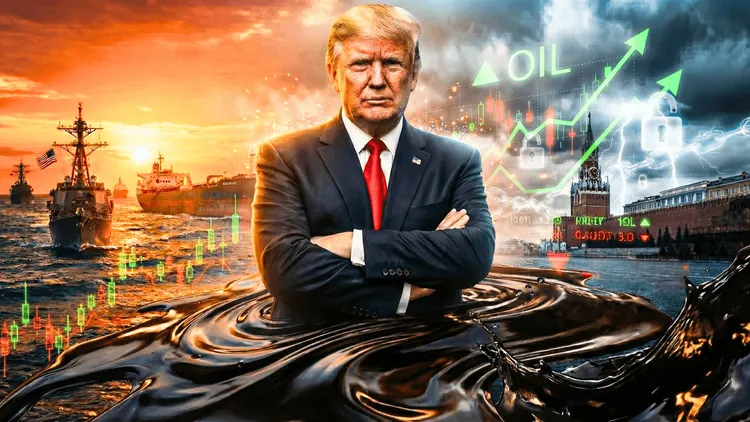
In a classic case of geopolitics injecting life into a slumbering market, oil prices staged a modest comeback on December 17, 2025, climbing more than 1% as traders digested escalating risks from two familiar hotspots: Venezuela and Russia. Brent crude, the global benchmark, rose as much as 2.4% in early trading, briefly topping $60 per barrel before settling around $59-60, while West Texas Intermediate advanced toward $57. It was a welcome relief after prices plunged to near five-year lows the previous session, but let's not get carried away, this rally feels more like a fleeting adrenaline rush than a sustained bull run.
The spark came courtesy of President Donald Trump, who on Tuesday ordered a "total and complete blockade" of all sanctioned oil tankers entering or leaving Venezuela. This escalation targets the Maduro regime's lifeline, building on recent U.S. seizures of vessels and a growing military presence in the region. Venezuela's oil exports, already battered by years of sanctions, hover around 900,000 barrels per day, with the bulk heading to China at discounted rates. Analysts estimate the blockade could disrupt up to 300,000 barrels daily from sanctioned vessels alone, though non-sanctioned flows, including those chartered by Chevron under U.S. authorization, remain untouched for now. Caracas swiftly condemned the move as "piracy" and a violation of international law, but the immediate market reaction was clear: a quick risk premium baked into prices.
Adding fuel to the fire, reports emerged that Washington is prepping contingency sanctions on Russia's energy sector if President Vladimir Putin rejects a proposed Ukraine peace deal. Options on the table include hitting Moscow's elusive "shadow fleet" of tankers that evade G7 price caps, along with traders facilitating those exports. While previous sanctions rounds haven't drastically curbed Russian flows, the threat underscores that any peace agreement remains fragile—and far from guaranteed.
Yet, for all the drama, experts are quick to temper expectations. The global oil market is staring down the barrel of a substantial surplus through 2026, fueled by OPEC+ ramping up production and robust output from non-OPEC producers. Demand worries linger, particularly from a softening Chinese economy, and optimism around Ukraine talks had only just pushed prices to multi-year lows. As one analyst aptly noted, while there are "clear risks to Venezuelan supply," an extreme rally seems unlikely without broader disruptions spilling into the wider Americas or beyond. In short, geopolitics can jolt prices awake, but fundamentals are still calling the shots—and they're decidedly bearish.
This short-lived bounce reminds traders why oil remains one of the most volatile commodities: just when oversupply seems poised to dominate, old rivalries resurface to keep everyone on their toes.