
Mexico on the verge to becoming the world´s largest cannabis producer
The upcoming legalisation could make the country the largest exporter for cannabis products.
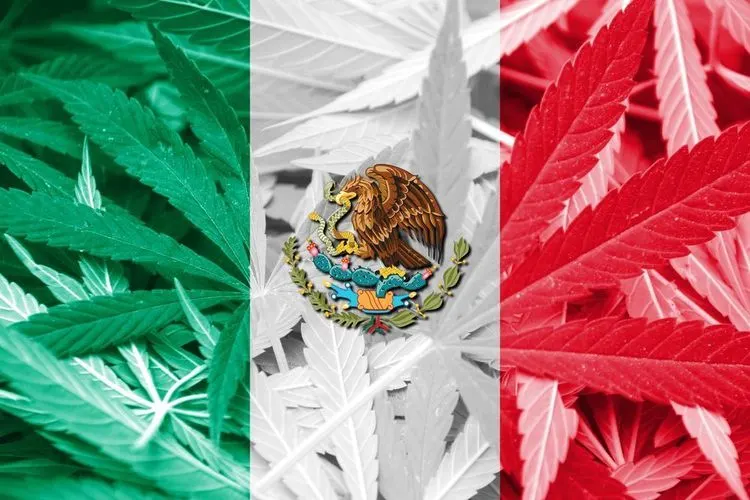
The United States will soon be sandwiched between two nations with federally legalized marijuana. Just days before Thanksgiving, Mexico pushed legislation legalizing the cannabis plant for a variety of uses. This follows Canada's historic legalization a few years ago which created a viable international marketplace, channeling funds through Canadian markets and effectively mobilizing the global cannabis industry. When Canada legalized, the US missed an opportunity to ensure that Nasdaq and the New York Stock Exchange would play a role in controlling financial markets and the dollars flowing into cannabis. This was expected because Jeff Sessions was in control of the Department of Justice (DOJ). We didn't necessarily have a pro-cannabis administration under Trump, and certainly not under the leadership of Senator Majority Leader Mitch McConnell, who was not a fan of marijuana. Still, what impact does it have on America when it does business with partners directly in the north and south? At first, you might think none of this matters since the U.S. has legalized adult marijuana programs from state to state. This model of distributing marijuana to adults, while still against federal law, has gained support from American politicians to keep the DOJ from interfering in legal, state-run marijuana deals. But the problem is much bigger. We're talking about a global cannabis economy, with Mexico being the largest populous country in the world legalizing marijuana. Mexico will boast the largest consumer market for cannabis products - with a population of more than 125 million - which is a huge leap forward for the developing international cannabis market. There are still a few steps to be taken to federally legalize marijuana in Mexico, but the bill has been passed by the Mexican Senate. The bill will create a regulated cannabis market that allows eighteen year olds and older to buy and own up to 28 grams of marijuana. It also allows a personal grow option for individuals to grow up to four plants for personal use. Some technical requirements have yet to be worked out before they can be fully implemented, including the question of whether or not growing for personal use must be pursued by the government. All of this should happen as early as early 2020, when the Mexican Supreme Court lifted a marijuana ban as unconstitutional two years ago and asked lawmakers to pass legalization measures. I traveled to Mexico in February of this year ahead of COVID to deliberate with the Mexican Senate on hemp and marijuana policy considerations. The timeframe for advancing legislation has been postponed by the pandemic. With full passage of the law imminent, what can we expect? Mexico is not the first country with a history of drug or antitrust trafficking to pass legalization of cannabis. This has happened in many Latin American countries that made up part of the black market drug trade. That makes the cartel's impact on federal marijuana legalization extremely interesting. Mexico is keen to regulate and legalize the plant, introduce strict controls over ownership and supply chain, and engage in domestic and, most importantly, international marijuana trade. The dollars invested in this industry must meet all forms of financial resource scrutiny - which in theory diminishes the ability of organized crime to get involved in the business. Something that runs counter to the Mexican legalization campaign is the fact that hemp may or may not be included in the final version - as it could pose too great a threat to existing Mexican industries. I would argue that this is exactly why hemp is so important - its versatility and variety of industrial uses go well beyond the singular focus of cultivation for cannabinoid extraction. By the end of 2019, the Hoban Law Group had registered a number of products from cannabinoid manufacturers of the CBD with COFEPRIS, Mexico's FDA, when things were put on hiatus to finalize the legislation. Should hemp actually be excluded from the final bill, it would have implications for the cannabinoid and CBD industries in Mexico.