
Jeremy Siegel: Trump Is the Most Pro-Stock Market President Ever
The unprecedented market rally: Trump’s policies pave the way for historic stock gains.
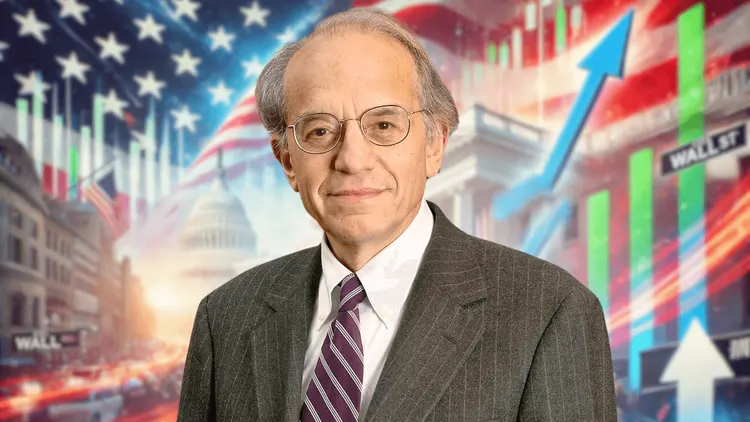
Jeremy Siegel, a respected finance professor at the Wharton School of the University of Pennsylvania, has made a bold statement, labeling Donald Trump as the most pro-stock market president in U.S. history. Siegel’s claim, made during an appearance on CNBC’s Squawk Box, emphasizes Trump’s dedication to market growth through policies that favor Wall Street, positioning him uniquely in American presidential history.
Trump’s Legacy as a Market-Driven President
Under Trump’s leadership, the stock market became a primary indicator of success for his administration. Unlike previous presidents who maintained distance from Wall Street performance as a measure of their policies, Trump used the stock market’s health as a direct barometer of his presidency’s effectiveness. This unique perspective allowed him to implement policies that directly aimed to stimulate market growth.
Record-Setting Market Response
Following Trump’s 2024 election win, Wall Street showed confidence, betting on his promises of tax cuts and reduced regulation to boost economic growth. The results were immediate: the S&P 500 soared 4.66% in a week, crossing the 6,000 mark for the first time, while the Dow Jones Industrial Average climbed past 44,000, setting new records.
Key Beneficiaries: Tech, Banking, and Cryptocurrency
Several sectors flourished under Trump’s business-friendly policies, with tech companies, banks, and even cryptocurrency seeing significant boosts. Tesla, for instance, saw shares rise 29% in a single week, regaining its $1 trillion market cap. Banks like JPMorgan Chase and Wells Fargo also experienced rallies, benefiting from a deregulated financial environment. Bitcoin, too, hit record highs, fueled by a relaxed regulatory outlook on cryptocurrencies under Trump’s administration.
Corporate Tax Cuts and Market Momentum
Trump’s 2017 corporate tax cuts proved to be a cornerstone of his market-centered approach, reducing tax burdens on corporations and encouraging reinvestment in the U.S. economy. Siegel is confident that these tax cuts are likely to be extended, which could further drive market growth. However, Siegel also notes that while extending the cuts seems certain, additional tax relief could face legislative obstacles.
Trade Policies: Potential for Risk Amid Reward
While Trump’s administration has been overwhelmingly market-positive, his aggressive stance on trade raises some potential risks. By imposing high tariffs on foreign goods, Trump could inadvertently fuel inflationary pressures, an area of concern for the Federal Reserve as it works to stabilize prices. This approach, while protective of domestic industries, could present challenges to long-term economic growth and impact U.S. global trade relations.
Conclusion: Trump’s Historic Impact on the Market
As Jeremy Siegel asserts, Trump’s tenure has placed him in a category of his own as a market-focused president, driven by policies designed to benefit the stock market. With record highs and a pro-business agenda, Trump’s approach has reshaped how the presidency interacts with Wall Street, leaving a lasting impact on the U.S. economic landscape.