
India's State-owned KABIL Signs Milestone Lithium Exploration Agreement in Argentina
India Embarks on Strategic Lithium Exploration in Argentina, Bolstering Its Renewable Energy Aspirations and Global Mineral Acquisitions
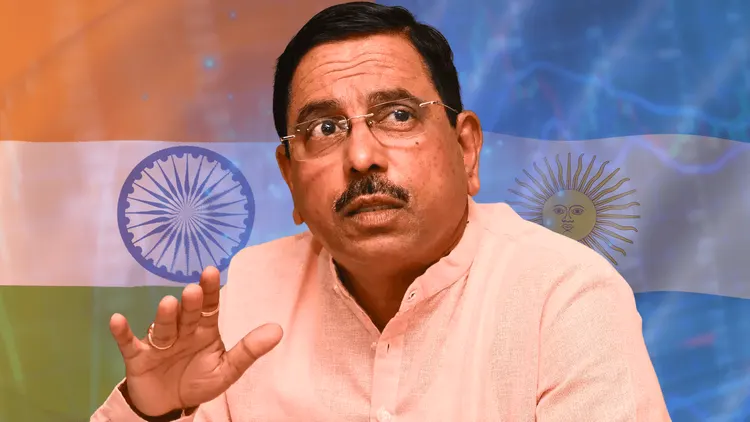
India’s Khanij Bidesh India Ltd (KABIL), a state-owned enterprise, has recently embarked on a significant venture by signing a 2 billion-rupee ($24 million) lithium exploration deal in Argentina. This initiative, as announced by the Ministry of Mines, represents a strategic move to strengthen India's foothold in the global lithium market and enhance its capability in the mining and downstream sectors.
Background
KABIL, an organization at the forefront of India's mineral acquisition strategy, has been actively pursuing opportunities to secure vital resources from overseas. This drive is partly fueled by India's position as one of the world's leading greenhouse gas emitters and its need to transition to more sustainable energy sources.
The Lithium Exploration Deal
The deal involves a substantial investment in exploring five lithium blocks in Argentina. It grants KABIL the rights for exploration and potential commercial production, marking a significant step in India's quest for essential minerals.
Significance for India
The exploration deal is more than a financial transaction; it's a strategic move to secure a critical resource in the age of renewable energy. Lithium, a key component in batteries, is vital for India’s burgeoning electric vehicle (EV) market and renewable energy storage solutions. By securing its own lithium supplies, India aims to become more self-reliant and less dependent on imports.
Global Context
In the global scenario, where countries are shifting towards sustainable energy solutions, securing lithium resources is crucial for reducing carbon footprints. India’s active pursuit of lithium reflects its commitment to combat climate change and transition towards a greener future.
The Argentina Connection
The collaboration with an Argentinian state-run enterprise is a testament to the growing bilateral relations between the two countries. This partnership not only benefits India in securing lithium but also promises mutual growth and development, particularly in the mining sector of Argentina.
India’s Mining Strategy
Under the guidance of V L Kantha Rao, the top bureaucrat in India's mining ministry, the country has been aggressively exploring international collaborations. This deal is a part of a broader strategy to leverage global resources for domestic growth and sustainability.
India's Broader Mineral Acquisition Strategy
The Argentine deal is one among several international efforts, including preliminary discussions with Bolivia and ongoing ventures in Australia and Chile. These efforts highlight India’s holistic approach to securing a diverse range of essential minerals.
The Economic Perspective
Economically, this $24m investment is expected to yield significant long-term benefits. It could potentially reduce India's import bills and foster the development of a domestic lithium-based industry, contributing to the overall economic growth.
Environmental Impact
The environmental implications of this deal are profound. By securing a stable supply of lithium, India can accelerate its transition to clean energy, significantly reducing its greenhouse gas emissions and contributing to global environmental goals.
Challenges and Opportunities
While the venture is promising, it's not without challenges, such as the complexities of lithium extraction and market volatility. However, the opportunities, especially in terms of positioning India as a key player in the global lithium market, are immense.
Future Prospects
Looking ahead, KABIL and the Indian government are likely to continue exploring similar deals to bolster their mineral reserves. The long-term goal is to establish India as a major player in the global market for essential minerals, particularly those critical for the renewable energy sector.
International Relations
This deal is also significant in the context of international relations, strengthening India-Argentina ties and setting a precedent for similar collaborations with other resource-rich countries. It underscores the importance of international cooperation in the pursuit of sustainable Development.
Public and Expert Opinions
The announcement has garnered varied reactions. Experts in the field view this as a strategic and necessary step, while public opinions reflect a mix of optimism and concerns over environmental impacts. Minister Pralhad Joshi's statement emphasizes the deal’s role in enhancing bilateral relations and contributing to the economic growth of both nations.
Conclusion
India’s $24m lithium exploration deal with Argentina is a strategic and forward-looking initiative. It not only reinforces India's commitment to sustainable energy but also marks a significant step in its quest to become a key player in the global renewable energy sector. This deal could potentially reshape India's energy landscape and its role in the international mining industry.