Geely and Baidu start wide-reaching cooperation
The two Chinese giants are preparing the launch of their jointly-developed EVs.
 Frank LehmannSeptember 7, 2026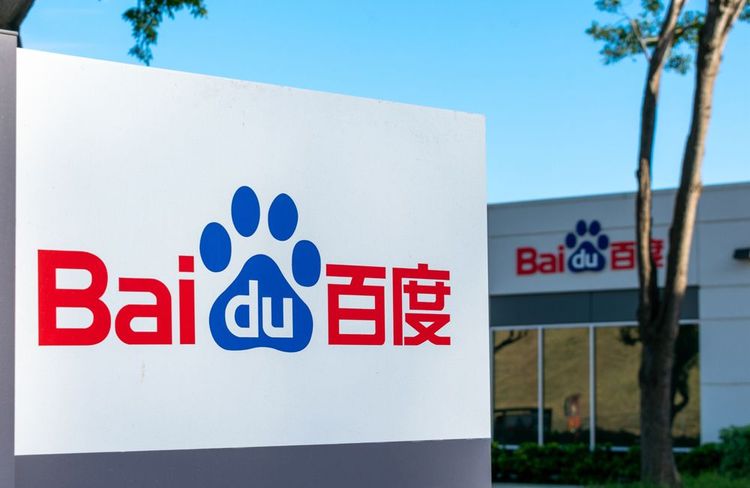
Baidu Inc. (NASDAQ: BIDU) partners with Geely Automobile Holdings Ltd. together to manufacture electric cars for the Chinese market, a source familiar with the matter reported. The move deepens the internet giant's foray into the auto industry as its core business slows. Following the reveal, Baidu's shares in New York jumped 2%, while Geely's shares in Hong Kong rose around 10%. The two could announce the joint venture as early as next week, according to a source who wishes to remain anonymous since it is a private business. The Chinese internet giant has chosen the fast-growing automaker after holding talks with other potential partners, including the FAW Group, Guangzhou Automobile Group Co. and the private WM Motor. Reuter had first reported on the deal, and the source said Baidu will control a majority of the shares in the new company. This merger marks Baidu's significant expansion into the automotive sector after years of touting its Apollo open platform to help manufacturers create connectivity and autonomous driving for their products. Also, the move precedes the Hong Kong stock sale, which is set to raise around $ 3.5 billion to facilitate the search giant's goal of going beyond advertising. The joint venture with Geely will advance the use of Baidus Apollo in more cars. Interestingly, it will start developing electric vehicles at Geely's factories, but it is still unclear whether the partners will eventually produce autonomous cars. There has been no comment from either company. According to Bloomberg, the plan to partner with Geely to produce smart EVs will make Baidu more attractive to investors as the company targets an IPO in Hong Kong for $ 3.5 billion in the first half of 2021. While the details of the EV project are sparse and the sales may not long cover costs, this is a major milestone towards monetizing the Apollo self-driving platform, which the company has invested heavily in since 2015.