G7 and Allies Convene to Address Critical Mineral Dependency
Finance Ministers from the G7 and Key Allies Weigh Price Floors and New Partnerships to Break Beijing’s Grip on Critical Minerals
 Editorial Team (ET)October 3, 2026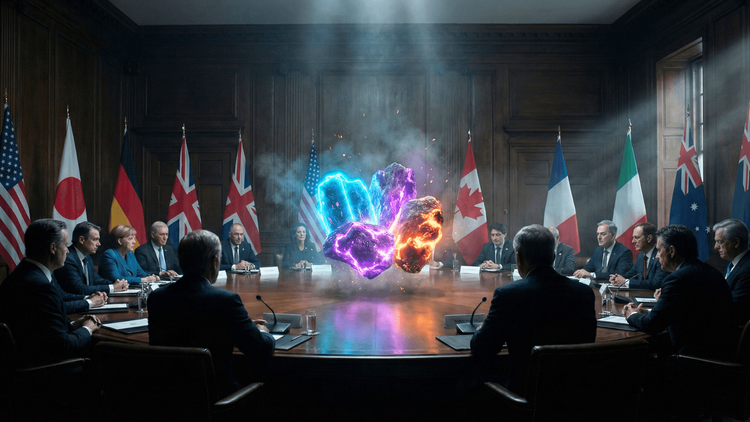
If you ever wondered what it takes to get the world’s staunchest free-market defenders to seriously consider global price-fixing, look no further than the bottom of the periodic table. On a crisp Monday in Washington, the finance chiefs of the G7 and a cadre of key allies gathered with a singular, slightly uncomfortable goal: figuring out how to quit their addiction to Chinese rare earth minerals without crashing the global economy in the process.
U.S. Treasury Secretary Scott Bessent played host to this high-stakes intervention, welcoming counterparts from the usual G7 suspects, Japan, Britain, France, Germany, Italy, and Canada, alongside representatives from Australia, Mexico, South Korea, and India. The guest list itself told the story. With these nations collectively accounting for 60% of global demand for critical minerals, the room represented a massive chunk of the world’s buying power, all looking for a new dealer.
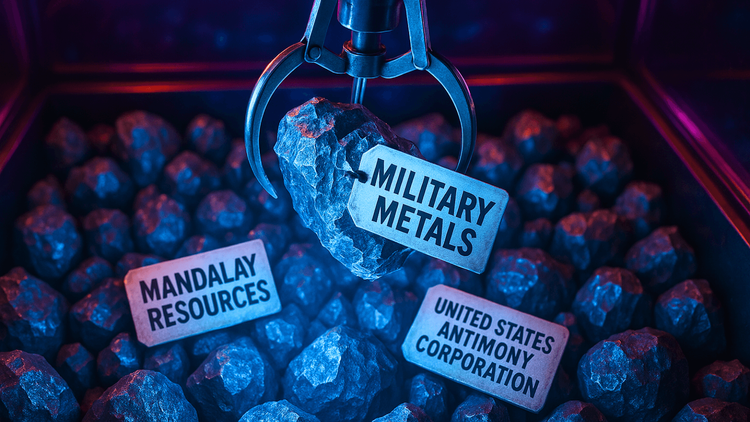
The catalyst for this sudden urgency isn’t just vague supply chain anxiety; it is raw geopolitics. China currently holds a near-monopoly on the refining of essential minerals like copper, lithium, and cobalt, controlling anywhere from 47% to 87% of the market depending on the element. These aren't just rocks; they are the fundamental ingredients for everything from EV batteries to advanced defense systems. The stakes were sharpened last week when Beijing slapped a ban on exports of dual-use items to Japan, a move that undoubtedly focused minds in Tokyo and Washington.