
Flower industry in Ecuador shifts to Cannabis
Slowing demand for roses forces the Andean country to focus on other plants.
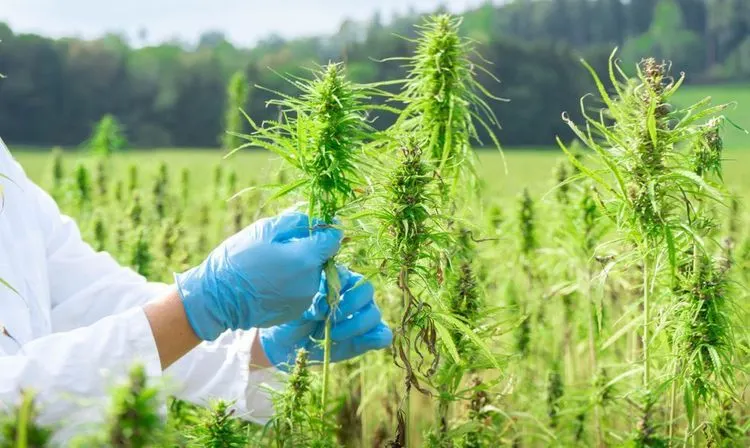
At one of the oldest flower farms in Ecuador, workers plant hemp in areas that were traditionally used for roses. They are betting that sales of cannabinoid products will help offset the drop in flower sales caused by the pandemic. The drop in sales triggered by the coronavirus outbreak has dealt a severe blow to the Ecuadorian flower sector, one of the Andean country's traditional export industries, so farms have had to cut production or reinvent themselves. Farm Boutique Flowers in Tabacundo, an hour north of the capital Quito, built cannabis greenhouses to benefit from recent legislative reforms that allow the plant to be grown - even if marijuana is still illegal. Marijuana contains higher levels of tetrahydrocannabinol (THC) - the cannabinoid that causes intoxication - than hemp. Ecuadorian law requires cannabis to contain less than 1% THC. "The project was born out of difficult times," said Klaus Graetzer, head of floriculture at Boutique Flowers and president of the hemp startup CannAndes. "During the pandemic, the flower industry was hit hard. We saw an opportunity to benefit from this new regime." His 30 acre operation reduced rose production by 37.5% to 15 million stems in 2020 as orders from the United States, Europe and Russia, its main markets, decreased. According to the association of flower producers and exporters Expoflores, total flower exports from Ecuador fell by 8% in the past year. Cannabis plants are increasingly grown around the world for the production of cannabinoid, which is being researched for various medical applications and is increasingly being used as a relaxant. However, CannAndes sees the greatest potential in the niche business with hemp flowers, which can be smoked to relieve symptoms such as nausea or anxiety. Hemp flowers have no psychotropic effects and can be made with much of the traditional infrastructure of the flower industry. CBD oils, on the other hand, require industrial machinery to separate the oil from the plant material. "The idea is to export smokable CBD flowers to Switzerland because that is the largest market for this flower," says CannAndes manager Felipe Norton. "Given the experience we've had with flowers, this is a good opportunity." CannAndes plans to start exporting in the next two years and is seeking licenses from the Ecuadorian authorities to sell CBD products such as personal care creams and teas and edible oils for chocolates and candy. Leaders in the Ecuadorian flower industry remain skeptical of hemp as the value of related products fluctuates widely depending on consumer trends and government regulatory decisions, according to Expoflores President Alejandro Martinez. At the end of 2019, Ecuador legalized the import of hemp seeds as well as the production, marketing and export of hemp. The Department of Agriculture has approved 46 ten-year licenses for various phases of hemp development. "We have the climatic and pedological conditions for cultivation, but demand will determine the supply," said Ecuador's Vice Minister for Productive Development Ney Barrionuevo. "At the moment the development is still going on."