EY: Breakup of the "Big Four" brings up to $10 billion in additional revenue
Company has not yet decided on the split of its audit and consulting business
 Frank LehmannOctober 5, 2026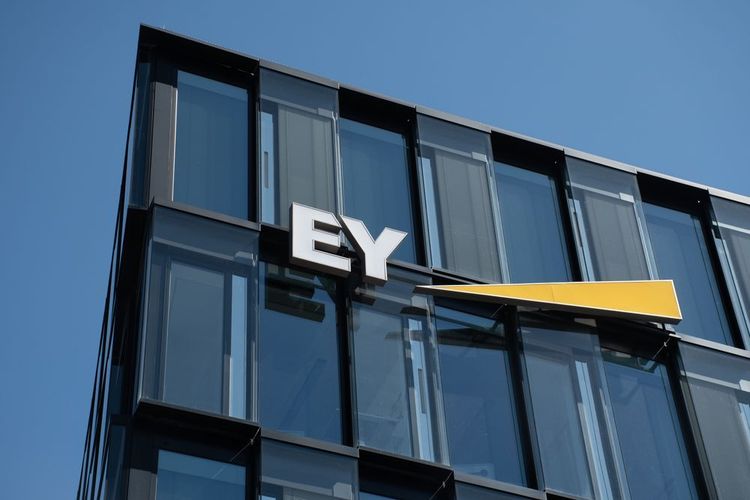
EY's global boss said splitting up the Big Four would bring up to $10 billion in additional revenue for his consulting arm by freeing it from conflicts of interest that prevent partnerships with the world's biggest tech giants.
Pressure is mounting for the accounting firm to opt for a historic split as global leaders meet in New York this week and rivals continue to cling to their model of combining accounting and advice.
EY dominates the audit of large US tech companies, auditing the accounts of Amazon, Google, Oracle, Salesforce and Workday.
In an interview with the Financial Times, Carmine Di Sibio, EY's global chair and chief executive, said the company's position in the tech exam market is "both a blessing and a curse."
While the firm's strength is a positive for auditing, Di Sibio said it's also a "downside" because conflicts of interest prevent EY from forming alliances to work with some of the world's largest tech companies on projects for their other clients work.
These alliances between professional service providers and technology companies are key to winning lucrative consulting contracts to help corporate clients on projects such as upgrading IT systems that manage supply chains and other operations to run in the cloud.
When EY committed to maintaining both its assurance and advisory businesses nearly a decade ago, it didn't anticipate the importance of cloud technology and partnerships with tech companies, Di Sibio said.
Over time, the standalone consulting business would earn between $5 billion and $10 billion a year in consulting fees, which are currently "off the table" because conflict rules restrict working with companies like Amazon or Salesforce, he added.
Independence from the consulting arm would allow the audit business to compete for more mandates and expand faster by rebuilding its consulting business, Di Sibio said.
EY executives are meeting this week, but the firm has yet to make a final decision on whether to go ahead with what would be the biggest upheaval in the accounting industry in two decades. "This would be the biggest revolution in the accounting industry in two decades," said Di Sibio.
He expects a decision "in the next few weeks or so". The partners of each national EY member firm would then vote on a possible split, probably in October or November, he added.
Splitting up the company ahead of a capital markets transaction is "Plan A," he said, adding that if the company decides to go public, an IPO is unlikely to happen until fall 2023.
The interest of private equity groups in the sector is another source of conflicts of interest, Di Sibio said. EY had an alliance with tech company Anaplan, but that failed after it was bought by private equity firm Thoma Bravo earlier this year.
"The alliance we created was just swept off the table because we're reviewing parts of Thoma Bravo," Di Sibio said, adding that the partnership would have been worth at least $200 million a year to EY. "It happened two or three times [with different alliances] and created an even bigger problem," he said.
Potential liabilities arising from EY's reviews of failed companies like Germany's Wirecard and London-listed NMC Health were "not a factor at all" in the decision to consider a split, Di Sibio said. "That doesn't change the liabilities we have to deal with."
He said it was inevitable that the big four accounting firms, which also include Deloitte, KPMG and PwC, would eventually split up their businesses. "As these companies get bigger, it becomes more and more difficult to manage [conflicts]," he said.