
Drug release in Oregon heralds a turning point
Major changes are likely to be pending, especially in the penal system.
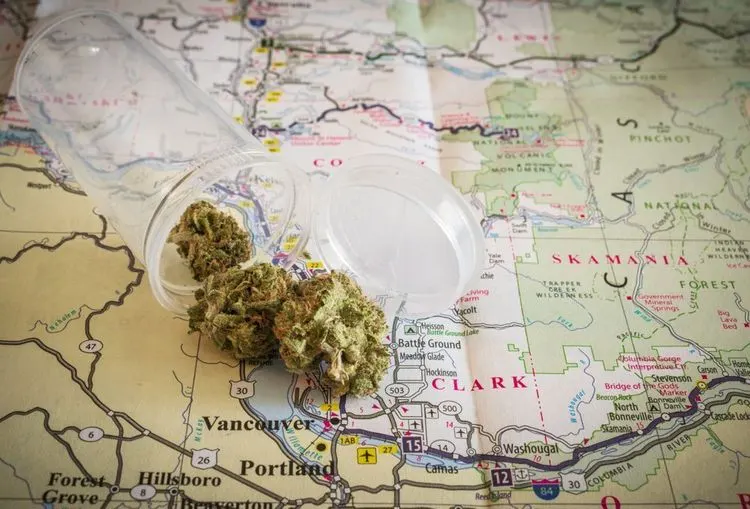
Amid a spate of drug liberalizations for cannabis and psychedelics in several US states and cities, Oregon took the unprecedented move of decriminalizing harder drugs like cocaine, heroin, LSD, oxycodone, and methamphetamine. Petitioners for the electoral measure say the tremendous victory will significantly curb racially motivated drug arrests and reinvigorate the push for harm-reduction measures such as safe injection sites.
Similar legislation was called for by British Columbia health officials north of the border last year to tackle a worsening opioid epidemic and break down barriers for drug users. Rather than enact provincial reform, Prime Minister John Horgan called on the federal government to decriminalize drug possession in July this year, a move criticized by some as "passing the buck". On election day, state voters approved Measure 110, which classifies possession of small amounts of street drugs as a civil offense with a maximum fine of $ 100 and no possible jail sentence. Someone can avoid the fine altogether by attending a health exam and potentially relating them to treatment services.
The penalty for possession of large quantities of these drugs is reduced from a criminal offense to an administrative offense, while the consequences for the sale and manufacture of these drugs remain the same. The measure will also shift cannabis tax revenues that previously went to other programs such as schools into a new addiction treatment fund. The state will add at least $ 57 million a year to the fund, some of which will be used to set up addiction treatment centers across the state.
Due to the anti-drug stigma and Covid-related campaign restrictions, they struggled to get enough signatures for the measure to stand for the election, says Anthony Johnson, the main proponent of the Vote Yes on 110 campaign. But in the end it was victory huge. "An initiative that would end thousands of drug arrests and convictions while funding more treatment and recovery programs was a dream come true," he says. Johnson believes the move and the new fund will stimulate harm reduction efforts and possibly past efforts that have not worked, such as reignite the push for safe injection sites in Portland. Oregon, the first state to decriminalize cannabis, is once again leading by example. Oregon was the first state to decriminalize cannabis in 1973, and just as other states followed suit, Johnson expects the rest of the country to take inspiration from the new legislation. "I think what we're going to see is a real cascade of efforts very similar to our first victories in marijuana reform," agrees Matt Sutton, the director of media relations for the Drug Policy Alliance, who drafted the measure and wrote about 4 Spent millions of dollars on the campaign. Johnson believes another long-term, less direct effect of the legislation will be to lower the anti-drug sentiment and encourage people with drug problems who need help to come forward. Not everyone is in favor of this change. There was also a campaign against Measure 110 claiming it would take away US $ 90 million from schools over the next three years and "deny parents the only way to get treatment for their children if they are under 18 years old." ". Johnson disagrees with these statements, pointing out that the Oregon Legislature has already saved $ 9 billion for the K-12 State School Fund, preventing cuts in school funding. "Even if Measure 110 actually results in excess cannabis tax revenue being redistributed from the school budget, the amount of the revenue is about half a percent of the total school budget," he says. "Educators, parents and students will benefit from funding more treatment and recovery services." "Measure 110 will provide more avenues for treatment by expanding services," he added in response to the second call. "Currently, too many minors become entangled in the criminal justice system and suffer harmful side-effects from minor drug convictions, such as loss of financial support and job opportunities. For Sutton, it's not just about helping those suffering from drug use problems and preventing unnecessary arrests, but racial justice as well. The Oregon Criminal Justice Commission found the move would reduce racial disparities in drug arrests by 95 percent, he says. The recent murders of Breonna Taylor, whose home was searched by police with a warrant without a warrant as part of an ongoing drug trafficking investigation into her ex-boyfriend, and George Floyd - during which a police officer yelled, "Don't do drugs, kids! - are examples of how racist the drug war has become, Sutton points out. "When Nixon declared the war on drugs, it was never about drugs. That escalated with the Reagan administration - it really got going and we saw mass incarcerations, we saw racial gaps, we saw whole communities were ravaged by blacks and browns, entire generations of people were taken from their homes. That has continued to suppress these communities, "he explains. "If drug possession remains the most widely arrested criminal offense in the US, then being able to remove a crime from those interactions with law enforcement is really a huge step in reforming a broken system.