China Sanctions 13 U.S. Defense Firms in Response to Taiwan Arms Sale
China retaliates with economic sanctions on U.S. defense firms, escalating Taiwan tensions.
 Editorial Team (ET)October 5, 2026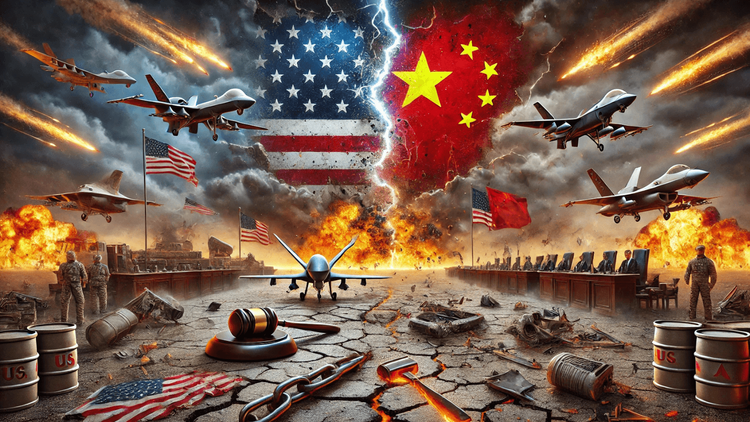
In a sharp escalation of geopolitical tensions, China has announced sanctions against 13 U.S. military-linked firms in retaliation for the United States' recent arms sales to Taiwan. The move, unveiled by China’s foreign ministry, underscores Beijing’s growing frustration with Washington’s support for Taipei, a self-governed island that Beijing views as an integral part of its territory.
The sanctions, effective Thursday, target prominent companies such as Teledyne Brown Engineering, BRINC Drones, Shield AI, and others involved in providing military technologies to Taiwan. This response follows the U.S. authorization of a $385 million arms package for spare parts and support for Taiwan’s F-16 jets and radar systems. China has denounced the sale as a direct affront to its sovereignty and territorial integrity, calling the move provocative and destabilizing.
Beijing’s announcement highlights its uncompromising stance on Taiwan, especially as the island’s President Lai Ching-te continues to engage with foreign leaders—a practice China vehemently opposes, branding Lai as a "separatist." The sanctions not only restrict these companies from operating within China but also freeze the assets of six executives tied to firms like Raytheon, BAE Systems, and United Technologies. Furthermore, Chinese organizations and citizens have been prohibited from conducting any business dealings with these individuals or entities.
This latest confrontation deepens the fissures in U.S.-China relations, already strained over trade disputes, technological competition, and territorial conflicts in the Indo-Pacific. The arms sale adds to the growing list of grievances Beijing holds against Washington, portraying U.S. support for Taiwan as a deliberate challenge to its one-China policy. Analysts suggest that such sanctions signal Beijing’s intent to leverage its economic clout to counteract perceived external interference in its domestic affairs.
As China flexes its diplomatic and economic muscles, the targeted U.S. firms and their executives face significant operational and reputational risks. The sanctions serve as a stern reminder of the high stakes in the global arms trade and the geopolitical chess game surrounding Taiwan, with both superpowers unwilling to yield ground.
The unfolding developments add another layer of complexity to the already volatile U.S.-China dynamic, leaving global markets and policymakers closely watching for further escalations.