
Cannabis seizures have decreased dramatically
Legalization of marijuana at the state level relaxes situation
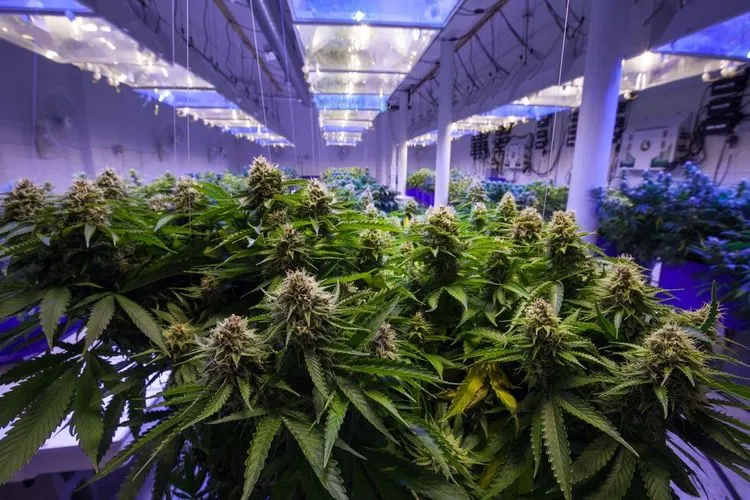
State-level legalization of marijuana has resulted in the Drug Enforcement Administration (DEA) having to analyze far fewer samples of confiscated illegal cannabis, according to a study led by a leading federal marijuana investigator.
This finding supports the claim, often made by advocates of legalization, that consumer demand for unregulated cannabis from illicit channels will decline as more legal markets come online.
"The number of samples received in the past five to six years has decreased dramatically due to the legalization of medical or recreational marijuana in many US states," said the study, authored by Mahmoud ElSohly, who is at the University of Mississippi operates the only state-licensed cannabis grow facility in the country.
Seizures have "skyrocketed over time, starting in 2011 (> 2342 cases) through 2019 (<100 cases)," according to the study, which was published in the journal Biological Psychiatry earlier this year. "This may be the result of the legalization of cannabis for medical or recreational use in many states, which has curtailed DEA enforcement efforts."
The falling seizures reported in the study are just the latest sign that the unregulated market is shrinking as the cannabis legalization movement continues to thrive in a growing number of states.
Simultaneously with the decline in DEA marijuana seizures, marijuana arrests are declining across the country, and in 2020 they fell significantly, current FBI data shows.
Federal marijuana trafficking cases also continued to decline in 2020 as more states moved towards legalization, according to an analysis published in June by the U.S. Sentencing Commission (USSC) revealed.
Federal drug law enforcement increased overall in 2019, but marijuana-related cases fell by more than a quarter, according to a report by Supreme Court Justice John Roberts earlier this year.
A 2018 study by the Cato Institute found that "the legalization of marijuana at the state level has significantly reduced marijuana smuggling."
Even if the number of illegal cannabis samples seized by the DEA has gradually declined as the legalization movement has continued, the more limited supply shows that THC potency has increased over time, according to the study recently published in Biological Psychiatry.
The average THC potency in seized marijuana rose from 9.75 percent in 2009 to 14.88 percent in 2018, and then declined slightly to 13.88 percent in 2019, according to the study. The researchers also noted that there has been a recent shift in the past two years where cannabis contained a more balanced ratio of THC to CBD, a non-intoxicating cannabinoid.
The average CBD concentration in seized marijuana fell from 0.4 percent in 2009 to 0.14 percent in 2017. But then the concentration of the cannabinoid "rose to about 0.6 percent in 2019."
Again, this data comes from illegal cannabis seized by the DEA, not marijuana legally available in state markets. Researchers are currently unable to study the cannabis that consumers actually buy from licensed pharmacies, but that could change under legislation that is on the rise in Congress.
"These results are consistent with other potency monitoring programs in several European countries," the study authors write. "There seems to be a recent trend towards the inclusion of higher-CBD chemovars in illegal cannabis."
ElSohly's cannabis facility at the University of Mississippi is currently the only place the federal government has approved the cultivation of marijuana for research purposes. And proponents, scientists, and lawmakers have complained that research that relies on government cannabis is at risk because it generally contains significantly lower levels of cannabinoids than products available at legal pharmacies.
However, the DEA is in the process of approving more manufacturers in the hopes of expanding the range of cannabis available to scientists and producing studies that will more accurately reflect what consumers are getting from state-licensed dealers.
The agency also recently proposed massively increasing the production of marijuana and psilocybin for research purposes to support the development of new government-approved therapeutic drugs.
For his part, ElSohly said in 2019 that he was confused as to why consumers want marijuana with THC levels of 15 percent or more when, in his opinion, eight percent is too high.
Skeptics and opponents of the cannabis reform have placed a lot of emphasis on THC potency and its increase in recent years. At one point in 2019, a key Republican Senate committee chairman hinted that he would not be ready to push a bill to protect banks that service state-licensed marijuana companies if the companies were not required to reduce THC levels to two Percent limit.