Biden’s $1.7 Billion Investment to Supercharge Electric Vehicle Manufacturing
Biden’s $1.7 Billion Boost for Electric Vehicle Manufacturing in Key States
 Editorial Team (ET)October 5, 2026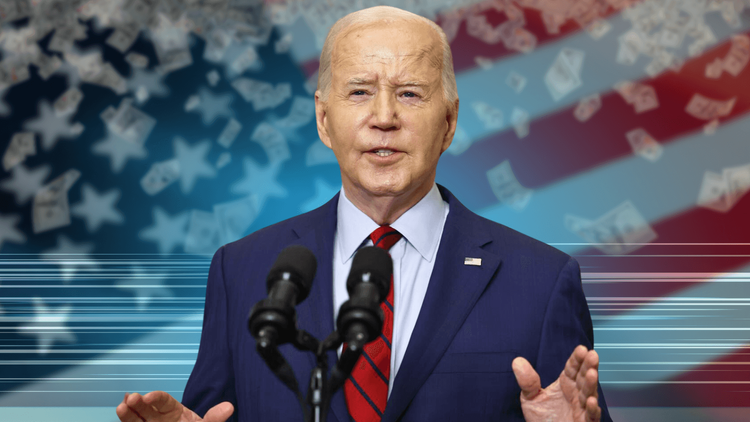
In a groundbreaking move, President Joe Biden has announced a $1.7 billion investment to supercharge electric vehicle (EV) manufacturing and assembly across eight states. This ambitious initiative aims to rejuvenate the U.S. auto industry, bolster union jobs, and accelerate the transition to a clean energy economy. The grants will breathe new life into facilities owned by industry giants such as General Motors, Fiat Chrysler, and Volvo, among others. Let’s delve into the details of this significant investment and its far-reaching implications.
Biden’s Bold Move to Boost EV Manufacturing
The Biden administration's nearly $2 billion grant is a strategic effort to kickstart or expand EV manufacturing and assembly sites. This move comes as part of a broader agenda to modernize the auto industry, promote clean energy, and create sustainable jobs. The Energy Department’s grants will target facilities in key states, including the politically pivotal battlegrounds of Michigan, Pennsylvania, and Georgia. By doing so, the administration aims to create thousands of high-paying union jobs and support communities that have been the backbone of the U.S. economy for decades.
General Motors Leading the Charge
General Motors (GM) stands out as a primary beneficiary of this initiative, receiving a substantial $500 million to convert its Lansing, Michigan assembly plant to produce electric vehicles. This grant builds on GM's already significant commitment to EVs, adding to the over $12 billion the company has invested in its North American EV manufacturing and supply chain since 2020. This funding will further accelerate GM’s efforts to offer a diverse range of electric vehicles to consumers, strengthening its leadership in the EV market.
Fiat Chrysler’s Transformation
Fiat Chrysler, another major player in the auto industry, will receive nearly $335 million to convert an idled assembly plant in Illinois and an additional $250 million to transform a transmission plant in Indiana. These facilities will be repurposed to assemble electric vehicles and produce electric drive modules, respectively. This transformation underscores Fiat Chrysler’s commitment to transitioning its operations towards sustainable and innovative vehicle production, ensuring the company remains competitive in the evolving automotive landscape.
Blue Bird Body Co. Electrifying School Buses
The transition to electric vehicles isn’t limited to personal cars and commercial trucks. Blue Bird Body Co. is set to receive nearly $80 million to convert a Georgia site, previously used for making diesel-powered motor homes, into a facility for producing electric school buses. This investment is a significant step towards electrifying school transportation, reducing emissions, and promoting cleaner air for students nationwide.
Volvo Group’s Heavy-Duty Electric Trucks
Volvo Group will benefit from a $208 million grant to upgrade three manufacturing facilities that produce Mack and Volvo-branded heavy-duty trucks. These plants, located in Macungie, Pennsylvania; Dublin, Virginia; and Hagerstown, Maryland, will be pivotal in advancing the production of electric trucks. This move is crucial for the heavy-duty vehicle sector, as it seeks to reduce its carbon footprint and enhance efficiency in transportation logistics.
Harley-Davidson’s Electric Motorcycles
In an exciting development for motorcycle enthusiasts, Harley-Davidson will receive $89 million to expand its facility in York, Pennsylvania, to manufacture electric motorcycles. This grant will enable Harley-Davidson to innovate and expand its lineup of electric motorcycles, catering to a growing market of eco-conscious riders and setting a new standard for sustainability in the motorcycle industry.
Economic and Employment Impact
The grants are expected to create more than 2,900 new jobs and help retain approximately 15,000 union workers across 11 facilities. This influx of jobs will provide a significant boost to local economies, particularly in auto-based communities that have historically driven the U.S. economy. By revitalizing these communities and providing stable, well-paying jobs, the grants will help ensure economic stability and growth in these regions.
Environmental and Climate Benefits
One of the most compelling aspects of this investment is its potential environmental impact. By promoting the production and adoption of electric vehicles, the grants will contribute to a substantial reduction in greenhouse gas emissions. This aligns with Biden’s broader climate agenda, which prioritizes the transition to clean energy and the reduction of the nation’s carbon footprint. Electric vehicles play a crucial role in mitigating climate change, and this investment is a significant step towards a more sustainable future.
Transportation Sector and Clean Energy Economy
Transportation is the largest source of greenhouse gas emissions in the United States. By focusing on electric vehicle production, the Biden administration aims to overhaul this critical sector and transition it towards a clean energy economy. This shift not only addresses environmental concerns but also positions the U.S. as a leader in the global clean energy movement. Biden’s vision is clear: a thriving clean energy economy that benefits both the environment and the American workforce.
Political Implications and Responses
Biden’s grant announcement is more than just an economic or environmental initiative; it’s a strategic political move. By targeting key battleground states, the administration hopes to garner support and demonstrate tangible benefits of its policies. The response from the auto industry has been overwhelmingly positive, with companies expressing gratitude and optimism about the future. Political figures from both sides of the aisle have also weighed in, recognizing the importance of supporting the auto industry and the broader implications for the U.S. economy.
Union Support and Organizing Drives
Union support has been a cornerstone of Biden’s presidency, and this grant announcement reinforces that commitment. Successful union organizing drives from Chattanooga, Tennessee, to Fort Valley, Georgia, highlight the growing momentum for unionized labor in the EV sector. These efforts ensure that workers have a voice and benefit directly from the industry’s growth and transformation.
Challenges and Future Prospects
While the grants represent a significant investment in the future of the auto industry, challenges remain. Ensuring that the funds are used effectively, navigating regulatory hurdles, and maintaining competitive edges are all potential obstacles. However, the long-term prospects for the U.S. auto industry are bright. Continued support from the government, combined with innovation and investment from the private sector, will be key to overcoming these challenges and securing a prosperous future.
Global Competitiveness
The global race for electric vehicle dominance is fierce, with countries like China making substantial investments in their EV industries. The U.S. must continue to innovate and invest to remain competitive on the world stage. The Biden administration’s grants are a crucial part of this strategy, ensuring that the U.S. stays at the forefront of automotive innovation and production.
Conclusion
President Biden’s $1.7 billion investment in electric vehicle manufacturing and assembly is a monumental step towards a sustainable, prosperous future. By revitalizing the auto industry, creating thousands of union jobs, and reducing greenhouse gas emissions, this initiative underscores the administration’s commitment to a clean energy economy. As the U.S. navigates the challenges and opportunities of this transition, the benefits for the environment, the economy, and the American workforce are clear and compelling.