The Australian mining sector is facing a major overhaul
The calls for reform come after drillings in Aborigine caves caused outcries.
 Karl HoffmannOctober 5, 2026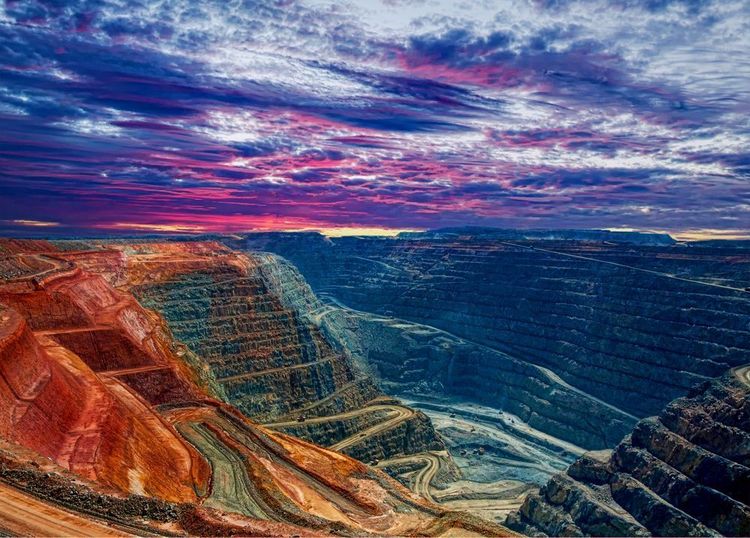
Rio Tinto's legal destruction of old Australian rock coffers showed the mining sector is at major investment risk without further reforms, institutional investors said Thursday, supporting the results of a review of the incident. The parliamentary interim report on the way the mining company Rio legally destroyed the sites in May recommended that compensation be paid to the traditional owners and that the industry improve the way in which it gets the approval of Aboriginal groups to do so affect the sites on their ancestral lands. SIGN UP FOR THE IRON ORE DIGEST "The report identified ... the material risks to investors," said Louise Davidson, chief executive of the Australian Council of Superannuation Investors. "Long-term investors support structural and cultural changes in the way companies approach their relationships with First Nations stakeholders," Davidson said in a statement, supporting legislative reform that would ensure approval is in line with global standards is obtained. ACSI represents 37 asset owners and institutional investors who together own an average of 10% of all ASX200 companies. The focus of the investors was on ensuring a continuous, free, prior and informed consent, which is defined as a human right under the principles of the United Nations for dealing with indigenous people. The concept has worried some in the mining industry who see it as a potential undermining of the security of their multi-year, multi-billion dollar investments. "The Western Australian government and the mining industry must take action to rebalance the relationship between the mining industry and traditional owners," the report said. While new legislation is being drafted in Western Australia and is expected to come into effect next year, the mining industry needs special care to ensure proper consent is obtained, the investigation said. Iron ore mining company Fortescue Metals said during the investigation that despite opposition from traditional owners of Eastern Guruma, it proceeded to develop a railway line around Spear Hill in 2017 because the group had previously raised no concerns despite a "detailed consultation process" . The rail line was eventually relocated after the Western Australian government intervened. "Mining companies that do not negotiate fairly and in good faith with traditional owners pose a clear systemic risk for investors," said Debby Blakey, CEO of HESTA, a pension fund for investors and the healthcare industry.