Analysts Say Harris Could Bolster Defense Stocks More Than Trump
Analysts argue Kamala Harris could offer more stability to defense stocks than a second Trump term, driven by her alliance-based defense approach.
 Editorial Team (ET)September 21, 2026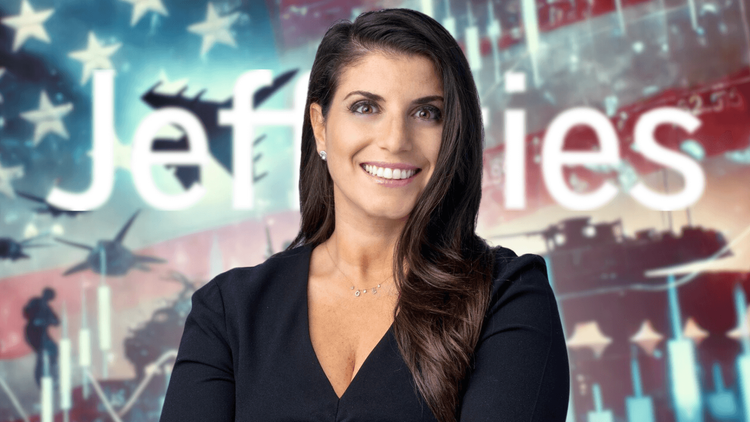
As the 2024 presidential election approaches, the future of defense stocks is a hot topic for investors. According to analysts at Jefferies, a Kamala Harris administration might provide a more stable environment for defense stocks than a second Donald Trump term. Sheila Kahyaoglu, an analyst at Jefferies, explains that Harris’s approach could offer consistency through alliances, whereas Trump’s policies could introduce uncertainties that might deter some investors. Let’s explore how each candidate’s stance could shape the future of the defense industry.
Kamala Harris vs. Donald Trump: Diverging Approaches to Defense
When it comes to defense, Kamala Harris and Donald Trump offer starkly different strategies. Harris, aligned closely with current administration policies, advocates for strong alliances, particularly with NATO, and consistent funding for international defense projects. By contrast, Trump’s focus on burden-sharing with allies could introduce uncertainties that make the defense market less stable. These differences are what investors are focusing on as they consider the long-term impacts on major defense stocks.
Harris’s Stance: Stability Through Alliances
Harris is expected to uphold Biden-era defense policies, emphasizing collaboration with NATO and other allies. This approach ensures a steady stream of contracts for defense companies involved in joint security projects, which helps solidify investor confidence. By expanding partnerships in regions like the Indo-Pacific through initiatives like the AUKUS pact with the U.K. and Australia, Harris would likely reinforce growth opportunities for defense contractors with interests in these areas.
Trump’s Approach: America First, But with Unpredictability
Donald Trump’s defense philosophy centers on the concept of “peace through strength.” While this sounds favorable for military readiness, his focus on making allies pay their fair share introduces uncertainties. During his first term, Trump was vocal about reducing America’s financial commitment to NATO unless allies increased their contributions. This unpredictable approach could impact defense companies that rely on NATO contracts, making the sector more volatile under his leadership.
The Investor Sentiment Factor
Analysts argue that investor sentiment around defense stocks could remain strong under Harris, thanks to her stable approach to alliances and defense spending. In contrast, Trump’s stance may lead to greater volatility, as investors may hesitate over the potential for shifting alliances and reduced funding for international projects. For those seeking steady returns in defense investments, Harris appears to offer a more reliable environment.
Key Defense Stocks to Watch
Among the top players likely to be impacted are Northrop Grumman, Raytheon, Boeing, and Lockheed Martin. These companies have significant contracts within NATO and other allied defense initiatives, and their performance may hinge on which candidate takes office. Analysts at Jefferies highlight that these defense giants could benefit from Harris’s predictable and alliance-driven policies, while Trump’s “America First” stance could introduce more variability.
Conclusion: Which Candidate’s Policies Could Better Serve Defense Stocks?
Both Harris and Trump emphasize the importance of U.S. military strength, yet the two candidates approach this objective in fundamentally different ways. A Harris administration, with its commitment to strong alliances and steady defense spending, could provide the kind of stability that defense investors crave. Trump’s approach, while still focused on military readiness, introduces potential challenges that may affect defense sector growth. For investors looking to the future of defense stocks, Harris’s approach might offer the consistency needed for sustained growth.