Why Defense Budgets Mean Nothing Without Secure Supply Chains
How Beijing's chokehold on two obscure minerals is forcing the West into a frantic, multi-billion-dollar race to rebuild its defense supply chains from the ground up.
 Editorial Team (ET)October 4, 2026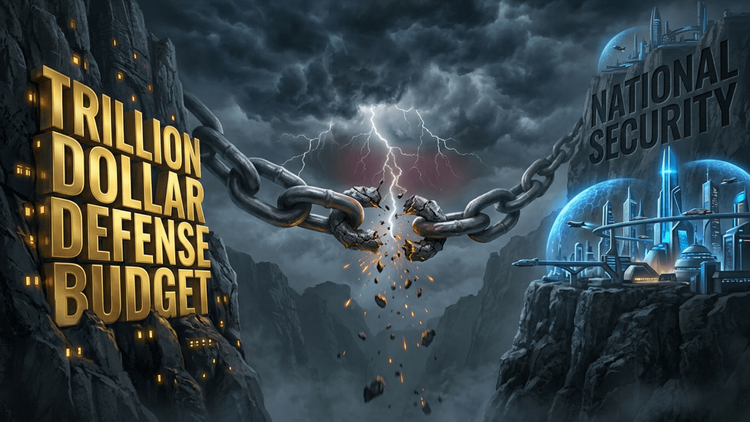
The world is arming itself to the teeth, pumping trillions of dollars into next-generation defense systems, but the ultimate vulnerability isn't a lack of capital. It is the dirt we stand on, or rather, the dirt we do not have. With global military spending surging to heights unseen in over a decade and a half, defense contractors and allied governments are experiencing a rude awakening. A nation can authorize a multi-trillion-dollar defense budget, but it cannot print antimony and tungsten.
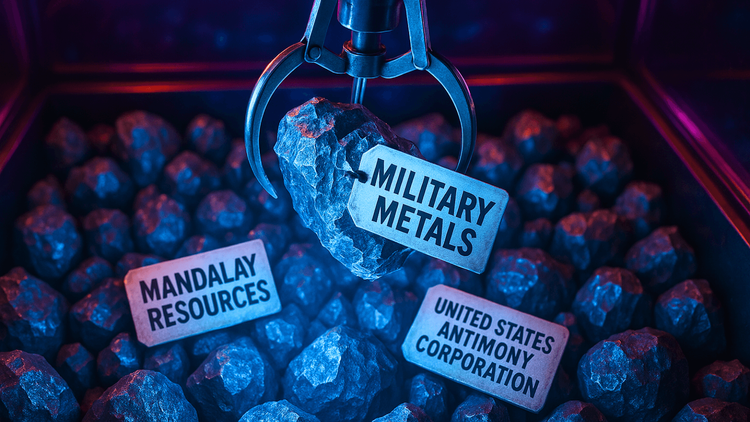
These two critical minerals are the unglamorous, irreplaceable backbone of modern warfare. Antimony is the vital hardening ingredient for armor-piercing ammunition, explosive formulations, and night vision goggles. Tungsten, boasting exceptional density, is non-negotiable for kinetic energy penetrators and high-temperature aerospace turbines. The geopolitical kicker is that the West has effectively outsourced its supply chains for these dual-use elements to its biggest rival. China controls the overwhelming majority of global tungsten production and antimony refining. Predictably, Beijing has weaponized this leverage, choking off exports with strict quotas and bans that have sent market prices into the stratosphere.